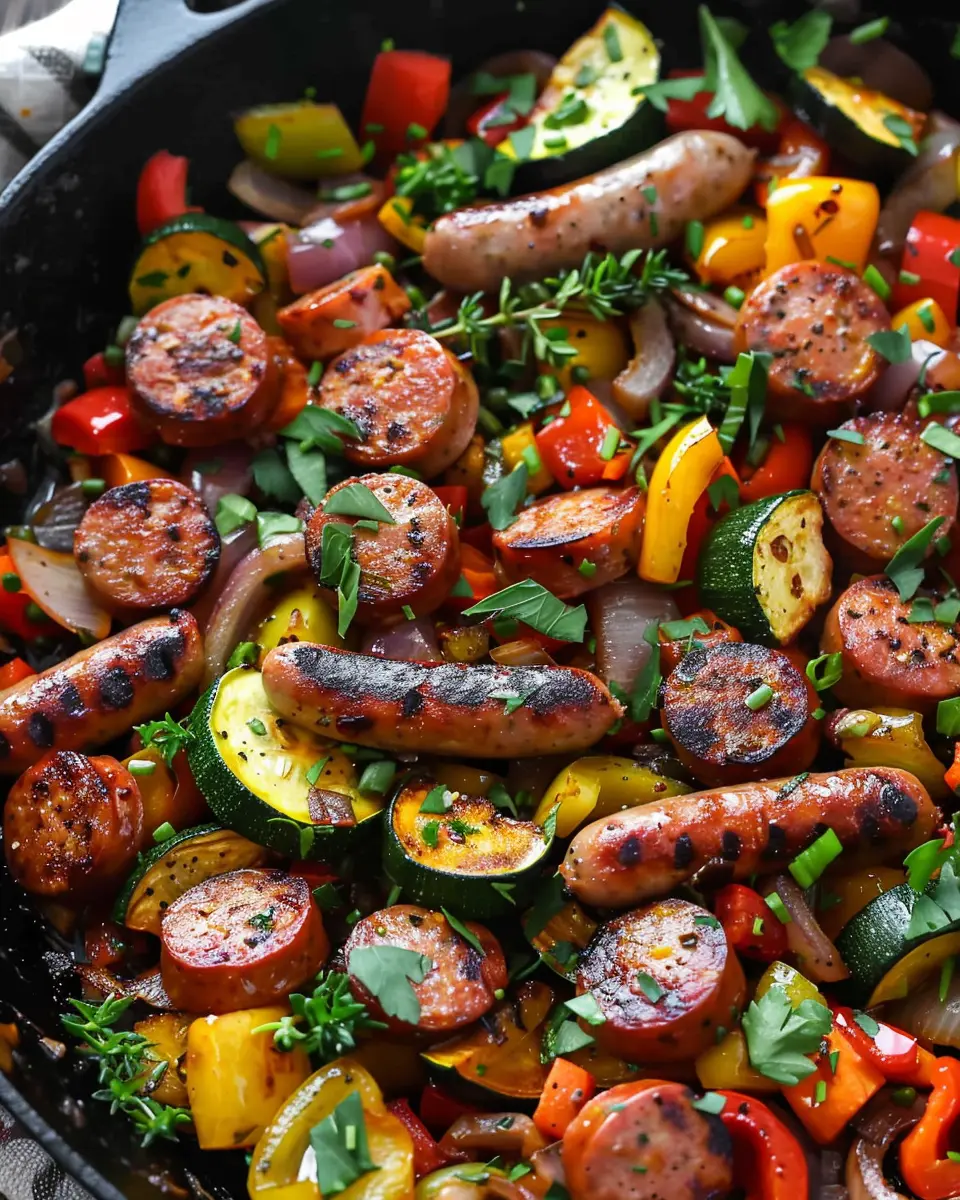
Introduction to Sausage and Veggies Skillet
Cooking at home doesn’t just save you money—it can also give you a much-needed break from the hectic pace of a busy professional life. For young professionals feeling the stress of work deadlines and social obligations, quick, homemade meals can be a game changer. Enter the sausage and veggies skillet: a simple, delicious solution that fits perfectly into your fast-paced routine.
Making homemade meals allows for greater control over ingredients, so you can choose healthier options while avoiding unnecessary preservatives found in many takeout meals. Current studies show that cooking at home can contribute to a better diet, resulting in improved energy levels and overall well-being. With just a few ingredients, your sausage and veggies skillet can become a nutritious powerhouse packed with vitamins, proteins, and fiber.
Why This Recipe Is Perfect for Your Lifestyle
Picture this: you’ve had a long day at work, you’re tired, and the last thing you want to do is spend hours in the kitchen. That’s where the sausage and veggies skillet shines! Not only does this dish come together in under 30 minutes, but it’s also incredibly versatile. Simply swap in whatever veggies you have on hand—bell peppers, zucchini, or even broccoli—making it a fantastic way to reduce food waste.
Here’s a quick guide to get you started:
- Choose Your Protein: Switch out traditional proteins for turkey bacon or chicken ham—both leaner choices that still pack a flavor punch.
- Toss in Seasonal Veggies: Fresh produce makes all the difference! The more colorful your skillet, the more nutrients you’re adding.
- One-Pan Wonder: Fewer dishes mean less time cleaning, leaving you with more time for yourself or your side hustle.
With every bite, you’re not just nourishing your body but also nurturing your mental health by enjoying a meal you’ve created. The beauty of the sausage and veggies skillet is its simplicity; it encourages improvisation and creativity in the kitchen. So why not give it a try? Your future self (and your taste buds) will thank you! For more inspiration on home cooking, check out sources like Verywell Fit or EatingWell.
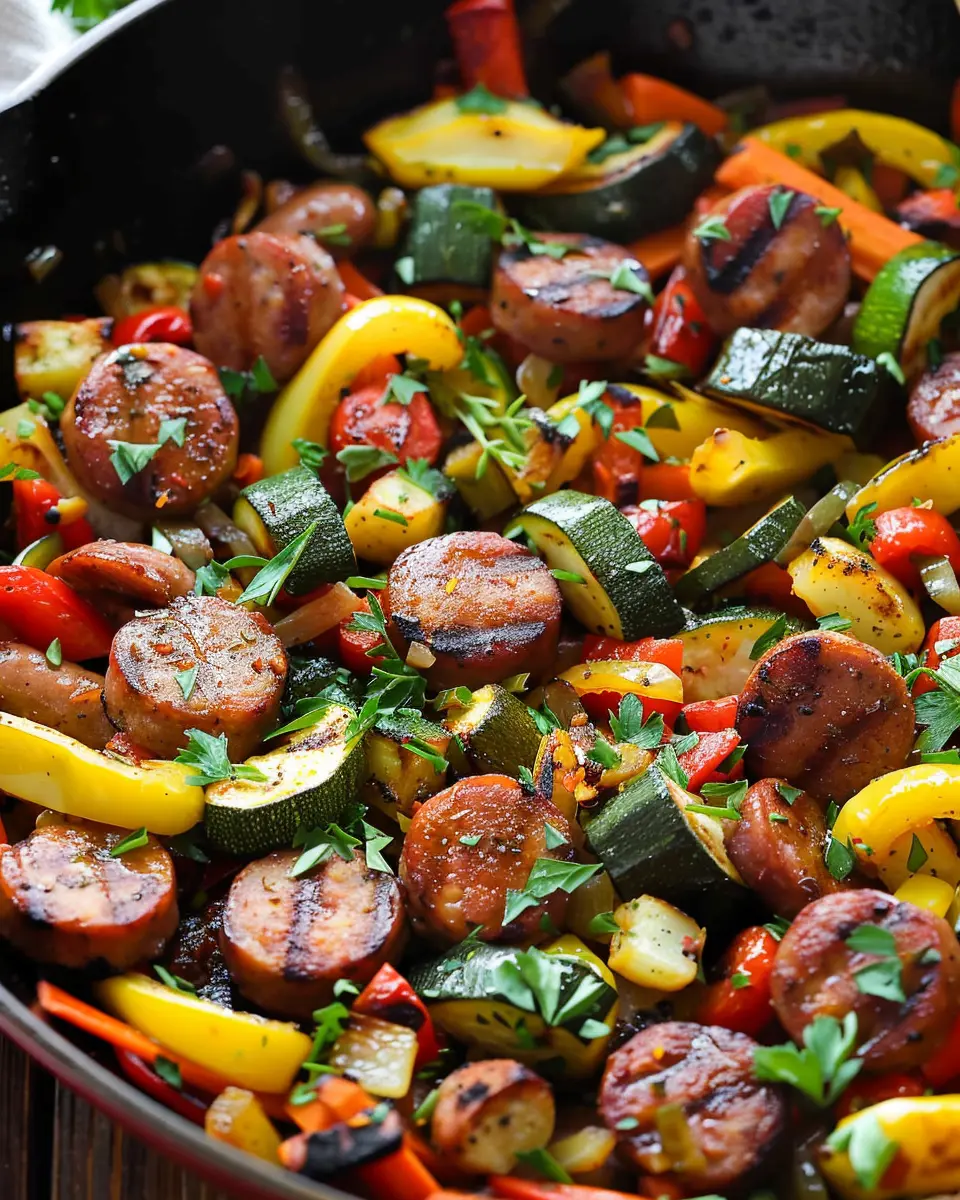
Ingredients for Sausage and Veggies Skillet
Essential ingredients for flavor and nutrition
To whip up a delightful sausage and veggies skillet, you’ll need some core ingredients that not only enhance the taste but also pack a nutritional punch. Here’s what you’ll want to gather:
- Sausage: Go for beef sausage for a robust flavor. If you’re looking for a lighter option, turkey sausage can also work wonders.
- Veggies: Bell peppers, zucchini, and onion are classic choices, offering vibrant colors and essential vitamins. You can also add spinach or broccoli for extra nutrition.
- Olive oil: This healthy fat is perfect for sautéing your ingredients, adding a hint of richness.
- Spices: Salt, pepper, garlic powder, and paprika can elevate the flavor profile.
For additional insights on nutrition, check out sources like The USDA or Healthline.
Optional add-ins for personalization
Feeling adventurous? Personalize your sausage and veggies skillet to suit your palate! Consider incorporating:
- Cheese: A sprinkle of feta or parmesan can add creaminess.
- Grains or pasta: Mixing in quinoa or small pasta shapes can make the dish heartier.
- Chili flakes: For those who love a kick, toss in a few chili flakes for heat.
- Herbs: Fresh basil or parsley can brighten the dish and add a fresh flavor burst.
With these ingredients, your skillet will transform from a simple meal into a vibrant feast. Ready to cook? You’ll enjoy how quickly it all comes together while satisfying your taste buds!
Preparing Sausage and Veggies Skillet
Making a sausage and veggies skillet is a fantastic way to whip up a healthy and delicious meal in no time. With just a few simple steps, you can create a colorful dish that’s packed with flavor and nutrients. So, let’s jump into the prep work!
Cook the sausage
Start by selecting your favorite beef sausage—whether it’s a zesty Italian variety or a more mild option, the choice is yours!
- Heat the skillet: Place a skillet over medium heat, and let it warm up for about two minutes.
- Add the sausage: Once hot, add the sliced beef sausage to the skillet. If your sausage isn’t pre-cooked, make sure to cook it thoroughly until it reaches an internal temperature of 160°F (70°C), as recommended by the USDA.
- Brown the sausage: Allow the sausage to cook for about 5-7 minutes, stirring occasionally. You want to achieve a nice golden-brown color and crispy edges, which add depth to the dish.
While cooking the sausage, enjoy the mouthwatering aroma wafting through your kitchen. It’s like an instant invitation for dinner!
Prepare and sauté the veggies
Next up, it’s time to load your sausage and veggies skillet with colorful vegetables. This part is where you can really get creative based on your preferences or what you have on hand.
- Choose your veggies: Great options include bell peppers, zucchini, onions, and broccoli. Spinach and kale also make excellent additions if you’re looking to sneak in some greens.
- Chop them up: As you prepare the vegetables, aim for uniform sizes to ensure even cooking.
- Sauté the veggies: Once your sausage is cooked and set aside, add a splash of olive oil to the skillet. Toss in your chopped vegetables and sauté for about 5-8 minutes until they’re tender but still crisp.
Here’s a tip: Adding a pinch of salt while you sauté can help draw out the moisture from the veggies, enhancing their natural sweetness.
Combine ingredients and season
Now that your sausage and veggies are ready, it’s time to bring everything together!
- Mix it up: Return the cooked beef sausage to the skillet with the sautéed vegetables.
- Add seasoning: Feel free to experiment here! A sprinkle of oregano, thyme, or even some crushed red pepper flakes can elevate the flavor profile. If you prefer, a simple dash of garlic powder or onion powder works wonders, too!
Before serving, taste and adjust the seasoning as needed. Sometimes a little extra salt or pepper can make all the difference.
Final touches for a flavorful dish
To take your sausage and veggies skillet to the next level, consider these final touches:
- Garnish: A fresh sprinkle of parsley or basil can brighten up your dish visually and enhance the flavor.
- Add a splash of acidity: A squeeze of lemon juice or a splash of balsamic vinegar can balance out the savoriness and bring everything together.
- Serve and enjoy: This dish can be enjoyed on its own, over a bed of rice or quinoa, or even wrapped in a tortilla for a tasty burrito-style meal.
Remember, cooking should be a joyful experience! Feel free to invite a friend or partner to join you; cooking together can be a great way to bond and share stories. And if you’re ever short on time, check out some quick and easy vegetable recipes for more inspiration. Enjoy your cooking adventure, and savor every bite of your sausage and veggies skillet!
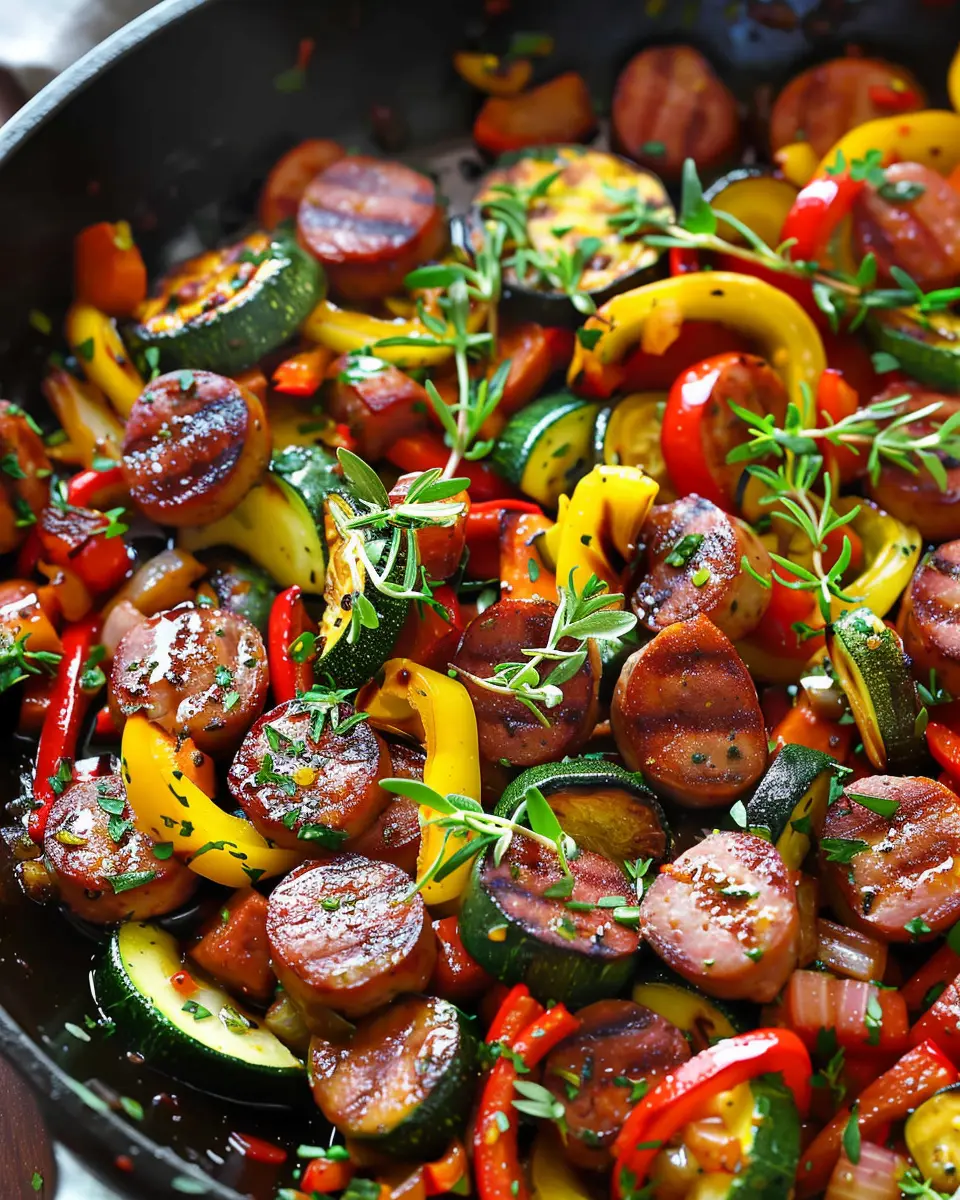
Variations on Sausage and Veggies Skillet
Spice It Up: Spicy Sausage Variation
If you’re a fan of dishes that bring the heat, consider swapping out your standard sausage for a spicy variety. Chorizo or spicy Italian sausage works wonderfully in a sausage and veggies skillet, adding a kick that pairs beautifully with the sweetness of roasted vegetables. Simply slice the sausage and sauté it until browned before mixing in your favorite veggies. For an extra layer of flavor, toss in some jalapeños or sprinkle in red pepper flakes. This variation will have your taste buds dancing!
Veggie-Loaded Options for Plant Lovers
For those leaning towards a plant-based lifestyle, you can still enjoy a delicious sausage and veggies skillet. Try using plant-based sausage alternatives that mimic the flavor and texture of traditional meats. You can also boost the veggie factor significantly — think bell peppers, zucchini, carrots, and even leafy greens like spinach or kale. Not only do these colorful additions create a stunning visual, but they also pack a nutritional punch. Check out resources like the Academy of Nutrition and Dietetics for ideas on integrating more veggies into your meals.
Simple Gluten-Free Adaptations
Cooking for someone with dietary restrictions? No problem! The sausage and veggies skillet naturally lends itself to gluten-free adaptations. Just ensure that any sausage you choose is certified gluten-free, and consider using fresh spices instead of pre-mixed seasoning blends that may contain gluten. Serve over rice or quinoa to keep it delightful and satisfying without the gluten.
With these variations in your back pocket, your skillet dish will never be boring again! Each twist offers something unique, allowing you to cater to every palate without compromising on flavor or fun.
Cooking Tips and Notes for Sausage and Veggies Skillet
Best practices for one-pan efficiency
When whipping up a delicious sausage and veggies skillet, keeping it efficient is key! Start by prepping all your ingredients first. Chop your veggies into uniform sizes so they cook evenly. If you’re short on time, consider using pre-cut vegetables from the store. And don’t forget: brown your sausage first to infuse the skillet with flavor before adding the veggies!
- Cook in batches: If your pan is crowding, cook ingredients separately to ensure proper browning.
- Use a large skillet: A wider surface allows for quicker evaporation, making your dish less soggy.
Suggestions for ingredient substitutions
Flexibility is essential in the kitchen. If you don’t have all the ingredients, here are some easy swaps you can try:
- Sausages: Use chicken sausage or turkey bacon if you want a lighter option.
- Veggies: Bell peppers, zucchini, or even kale work beautifully. Feel free to incorporate whatever seasonal vegetables you have on hand!
For more tips and a guide on these versatile ingredients, check out this excellent resource that dives deeper into seasonal cooking. Enjoy your cooking adventure!
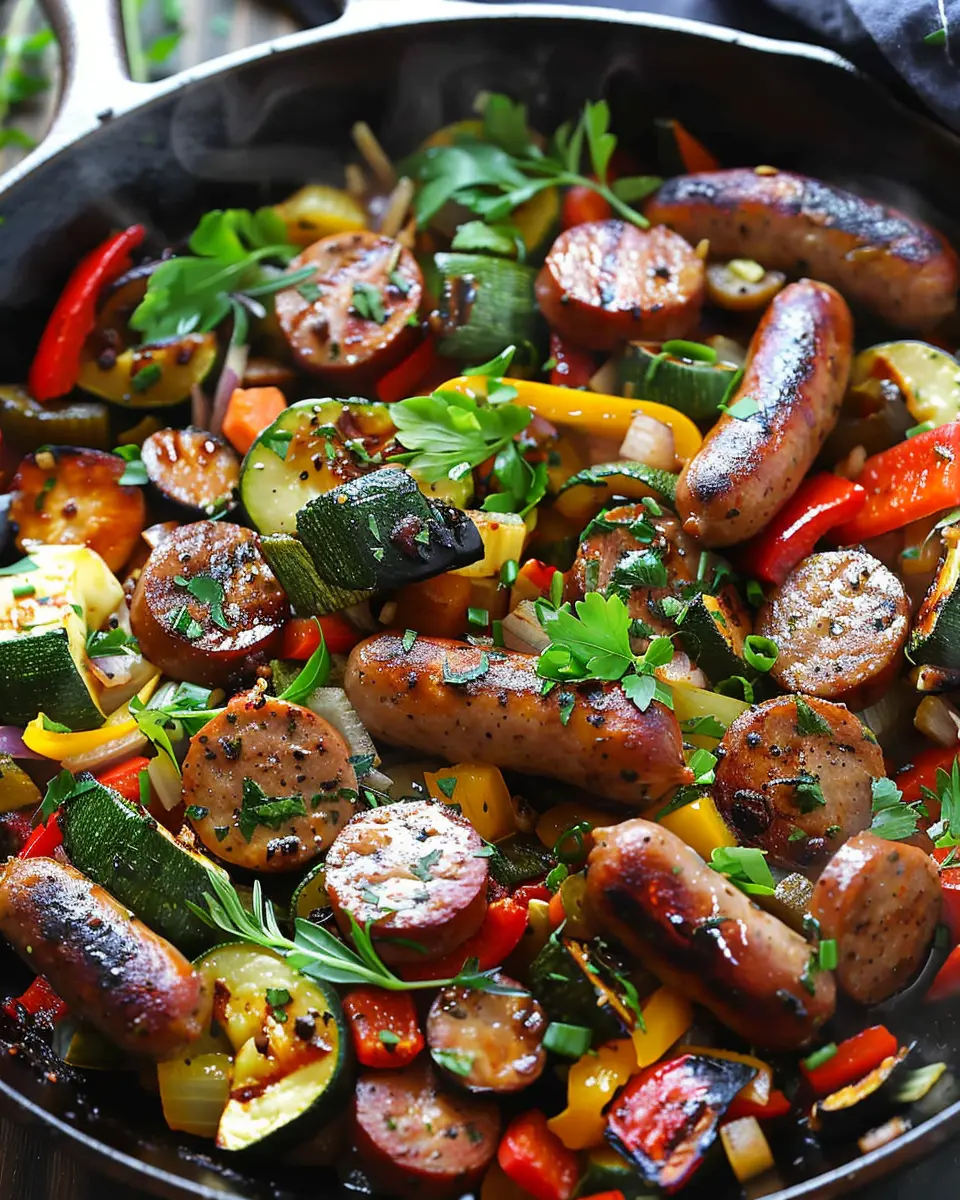
Serving Suggestions for Sausage and Veggies Skillet
Ideal sides to complement the skillet
When it comes to serving your sausage and veggies skillet, the right sides can elevate this dish to new heights! Here are some ideas:
- Quinoa or Rice: Nutty quinoa or fluffy rice are excellent choices that soak up all those delicious juices.
- Crusty Bread or Rolls: A warm baguette or dinner rolls are perfect for sopping up the flavorful broth.
- Mixed Greens Salad: A fresh salad with tangy vinaigrette balances the hearty skillet, adding a light touch.
Pair your meal with a refreshing sparkling water or a citrus-infused iced tea for a delightful complement.
Creative ways to repurpose leftovers
If you end up with leftovers (which is often the case with this filling dish), don’t fret! Here are some creative ways to enjoy your sausage and veggies skillet again:
- Breakfast Hash: Toss those leftovers with scrambled eggs for a hearty breakfast.
- Stuffed Peppers: Use the mix as a filling for bell peppers, bake them, and enjoy a nutritious lunch.
- Soup Base: Add chicken broth to create a hearty soup, perfect for chilly evenings.
These simple ideas not only make your meal stretch, but they also keep your taste buds entertained! For more inspiration, check out Cooking Light and explore various recipes that give a twist to your leftovers.
Time breakdown for Sausage and Veggies Skillet
Preparation time
Getting ready for your Sausage and Veggies Skillet is quick and easy, taking about 10 minutes. This includes slicing your favorite veggies, like bell peppers and zucchini, and preparing your protein of choice, whether it’s chicken ham or turkey bacon.
Cooking time
Once everything is prepped, the cooking process will take around 15-20 minutes. You’ll start by browning the sausage, then add the veggies for a beautiful sauté, allowing those delightful flavors to blend seamlessly.
Total meal time
In total, you’ll spend about 30 minutes from start to finish enjoying this delicious meal. Perfect for a busy weeknight dinner! For more tips on meal prep, check out resources from The Kitchn and Eating Well. Enjoy your culinary adventure!
Nutritional facts for Sausage and Veggies Skillet
Calories per serving
A Sausage and Veggies Skillet typically contains around 350 calories per serving. This makes it a great option for a balanced meal that won’t weigh you down, especially if you’re gearing up for a busy workday or a weekend adventure.
Key nutrients and health benefits
This dish is not just tasty; it’s also packed with essential nutrients that keep you feeling good. Here are some highlights:
-
Protein Power: Featuring beef sausage and chicken ham, it provides a significant protein boost. Protein is vital for muscle repair and overall body function.
-
Fiber Boost: With colorful veggies like bell peppers, zucchini, and onions, you’ll get a healthy dose of dietary fiber, promoting good digestion and keeping you full longer.
-
Vitamins and Minerals: The variety of vegetables means a rich supply of vitamins A and C, which are known for their immune-boosting properties. Studies have shown that incorporating vegetables into your meals can lead to better heart health.
-
Healthy Fats: If you add a splash of olive oil, you’ll be infusing heart-healthy fats into your dish, essential for absorbing those vitamins.
For a detailed breakdown of vitamins and their benefits, check out resources like the USDA’s FoodData Central. Eating well doesn’t have to be complex; just grab your ingredients and get cooking!
FAQs about Sausage and Veggies Skillet
Can I use frozen veggies?
Absolutely, using frozen veggies in your sausage and veggies skillet can be a fantastic time-saver! They’re just as nutritious as fresh ones because they’re typically flash-frozen to lock in vitamins and minerals. Just remember to slightly adjust cooking times. It’s best to sauté the frozen veggies a bit longer to ensure they’re heated through and tender. You can also add them directly to the skillet without thawing, but be prepared for a little extra moisture. For more tips on using frozen produce, check out this guide.
What’s the best sausage type to use?
When it comes to selecting the best sausage for your sausage and veggies skillet, it really depends on your taste preferences. You might love a hearty chicken sausage for a leaner option, or perhaps a flavorful beef sausage for a richer taste. Turkey sausage is another great alternative if you’re looking for something lighter, offering a similar savory flavor. Explore your local grocery store for different brands—sometimes there are hidden gems waiting to be discovered!
How do I store leftovers properly?
Storing your sausage and veggies skillet leftovers is simple! Allow the dish to cool down to room temperature before transferring it to an airtight container. It will last in the fridge for about 3–4 days. If you want to keep it for longer, consider freezing individual portions. Just make sure to label and date the container, as this will help you keep track of what’s in your freezer. To reheat, you can use the stovetop, or microwave, adding a splash of vegetable broth or water to keep it moist. Learn more about proper food storage techniques here.
Conclusion on Sausage and Veggies Skillet
In our fast-paced lives, the importance of homemade meals can’t be overstated. Cooking at home not only gives you control over ingredients but also allows for creativity and experimentation. The sausage and veggies skillet serves as a perfect example of how easy it can be to whip up something nutritious and satisfying.
Imagine the delight of enjoying a hearty dish made with fresh, seasonal veggies and flavorful sausage. This simple yet delicious meal proves that you can enjoy wholesome food without spending hours in the kitchen. So, gather your favorite ingredients, enjoy the process, and indulge in the satisfaction that comes from a homemade meal. For more tips on meal prep and easy recipes, check out sites like Food Network for inspiration.
PrintSausage and Veggies Skillet: Easy Comfort Food Your Family Craves

Enjoy a delicious and easy sausage and veggies skillet recipe that your family will love!
- Prep Time: 10 minutes
- Cook Time: 20 minutes
- Total Time: 30 minutes
- Yield: 4 servings
- Category: Main Dish
- Method: Stovetop
- Cuisine: American
- Diet: Gluten-free
Ingredients
- 1 pound Italian sausage
- 2 cups bell peppers, chopped
- 1 cup zucchini, sliced
- 1 cup onion, diced
- 2 tablespoons olive oil
- 2 cloves garlic, minced
- 1 teaspoon Italian seasoning
- Salt and pepper to taste
Instructions
- Heat olive oil in a skillet over medium heat.
- Add the Italian sausage and cook until browned.
- Stir in the garlic, bell peppers, onion, and zucchini.
- Cook until the vegetables are tender.
- Add Italian seasoning, salt, and pepper.
- Serve warm.
Notes
- For a spicier version, use spicy Italian sausage.
- Feel free to add other vegetables like mushrooms or spinach.
Nutrition
- Serving Size: 1 plate
- Calories: 350
- Sugar: 4g
- Sodium: 800mg
- Fat: 25g
- Saturated Fat: 8g
- Unsaturated Fat: 15g
- Trans Fat: 0g
- Carbohydrates: 10g
- Fiber: 2g
- Protein: 20g
- Cholesterol: 70mg