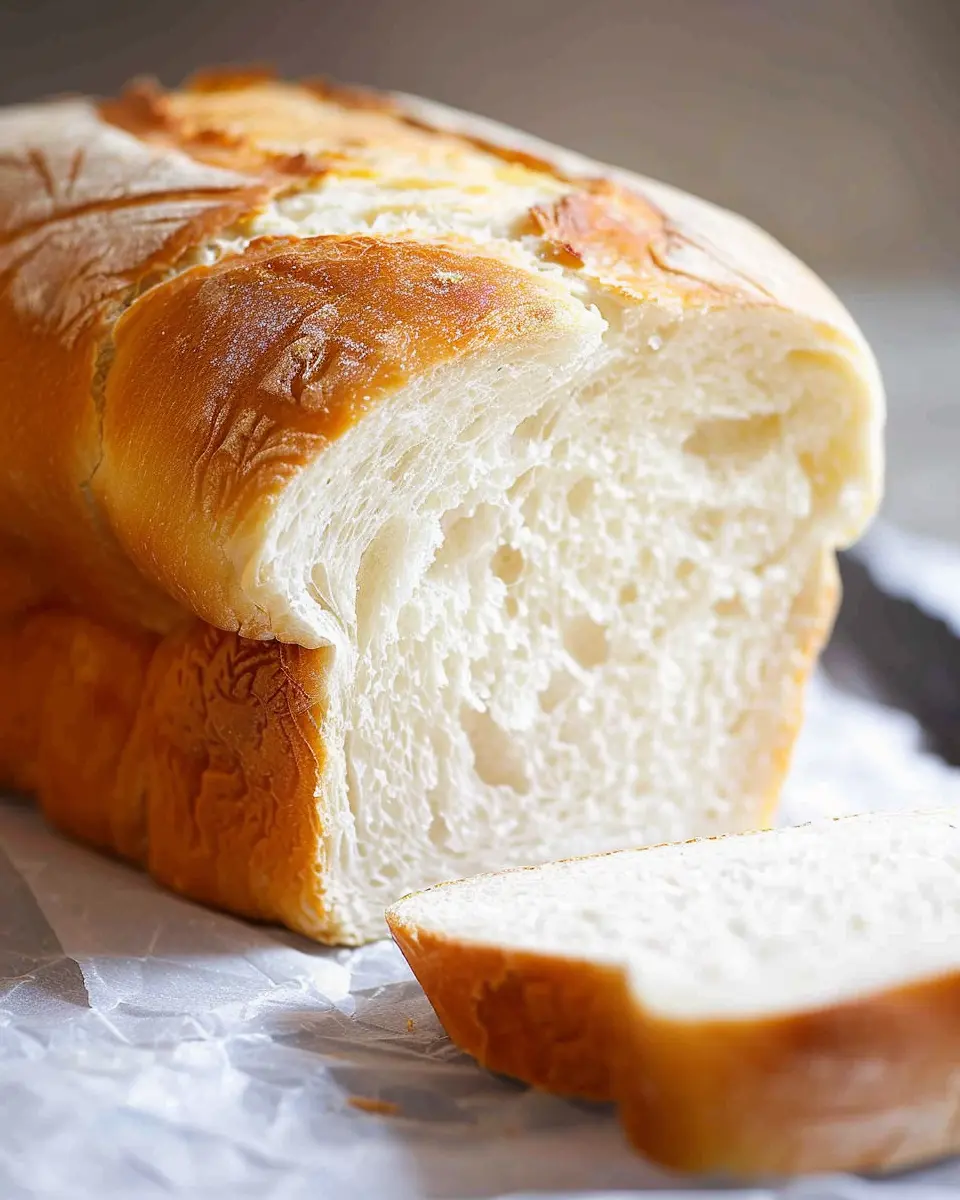
Introduction to Amish White Bread
Have you ever experienced the joy of slicing into a loaf of fresh, homemade bread? There’s something incredibly special about it. When it comes to comfort food, there are few things that can rival the heartwarming appeal of Amish White Bread. This isn’t just any ordinary bread; it’s a staple in Amish communities, cherished for its soft texture and rich flavor.
Why Homemade Bread is Better
Making your own bread comes with a myriad of benefits that store-bought options simply can’t match. First off, let’s talk ingredients. When you bake at home, you have complete control over what goes into your loaf. You choose pure, wholesome ingredients, avoiding the preservatives and additives often found in commercial products.
You may be wondering, “But isn’t it easier to just grab a loaf from the store?” While convenience is a plus, consider this: homemade bread doesn’t just taste better; it’s also made with love. The aroma that fills your kitchen as dough rises brings comfort and warmth to your home. According to a study by the Cornell University Food Science Department, the smell of freshly baked bread can evoke positive emotions and even make people more sociable. Just imagine the delighted faces of friends and family when you serve them warm slices slathered with butter!
Using a simple recipe like this one for Amish White Bread gives you the opportunity to create something that feels homey and satisfying. Plus, you can easily customize it — tossing in herbs, whole grains, or even seeds to suit your palate or the occasion.
And let’s not overlook the health aspect. Studies indicate that consuming homemade bread, rich in whole grains, can have numerous health benefits, including improved heart health and better digestion. Making it at home ensures you know exactly what you’re eating, allowing for a mindful approach towards your diet.
So grab your apron, roll up your sleeves, and let’s dive into the delightful world of Amish White Bread. Trust me, once you go homemade, there’s no turning back!
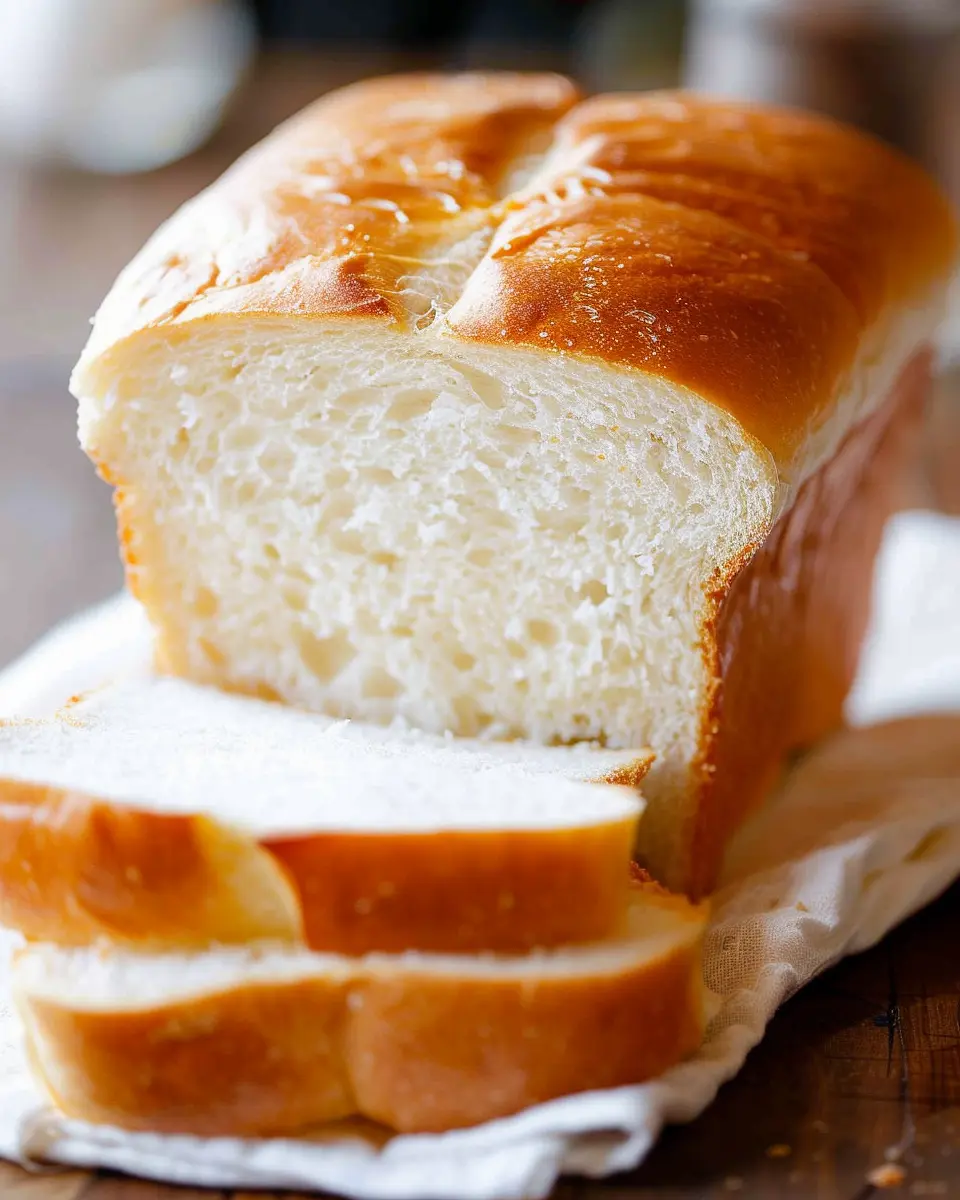
Ingredients for Amish White Bread
When you decide to bake Amish White Bread, you’re not just making a loaf; you’re creating a warm, delicious experience that fills your home with a comforting aroma. Let’s dive into the essential ingredients needed to whip up this delightful bread.
The Basic Ingredients
To get started, here’s what you’ll need:
- Warm Water: About 2 cups, to activate the yeast.
- Sugar: 1/4 cup, which provides the necessary sweetness and helps with yeast activation.
- Active Dry Yeast: 1 packet (2 1/4 teaspoons) for that lovely rise.
- Salt: 1 teaspoon to enhance the flavor.
- Vegetable Oil: 1/4 cup, adding moisture and richness.
- All-Purpose Flour: About 5-6 cups, but start with 5 and add as necessary for the right dough consistency.
Why These Ingredients Matter
Each ingredient plays a critical role in the bread-making process. The warm water kicks off the yeast activation, while sugar feeds it, giving rise to that fluffy texture we all love. Meanwhile, oil and flour come together to form a dough that bakes up soft yet sturdy.
Curious about variations? You can find some great tips on customizing your bread over at King Arthur Baking.
Happy baking!
Preparing Amish White Bread
Making Amish White Bread is not just about following a recipe; it’s an experience steeped in tradition, love, and simplicity. Homemade bread, with its warm aroma wafting through the kitchen, invites you to slow down and revel in the moment. Let’s walk through the steps to prepare this delightful bread.
Gather Your Ingredients
First things first: start by gathering everything you need. Having all your ingredients ready will make the process a lot smoother. Here’s what you’ll need:
- 4 cups of all-purpose flour (plus extra for dusting)
- 2 tablespoons of sugar
- 1 tablespoon of salt
- 1 tablespoon of active dry yeast
- 1 ½ cups of warm water (about 110°F)
- 2 tablespoons of vegetable oil or melted butter
Make sure to check your pantry and fridge — fresh ingredients yield the best results!
Activate the Yeast
Next, let’s activate that yeast. In a mixing bowl, combine the warm water, sugar, and yeast. Gently stir and then let it sit for about 5 to 10 minutes until it becomes frothy. This step is crucial; it ensures your bread will rise beautifully! If you’re new to bread-making and want to dive deeper into the science of yeast, The Bread Lab by Mike Zachary is a great resource to check out.
Mix the Dough
Once your yeast is frothy, it’s time to mix everything together. In the same bowl, add the salt, oil, and gradually stir in the flour, about a cup at a time. As you mix, you can switch to using your hands once the dough comes together. Knead the mixture for about 8 to 10 minutes on a floured surface until it’s smooth and elastic. Here’s a tip: if the dough is too sticky, don’t be afraid to add a bit more flour, but be careful not to overdo it!
First Rise
Now that your dough is ready, place it in a greased bowl, cover it with a clean kitchen towel, and let it rise in a warm place. This should take about 1 to 1.5 hours. You’re looking for it to double in size. If you’re not sure where that warm spot is, your oven is a great option; just turn it on for a minute, then turn it off and place the bowl inside.
Shape the Loaf
After that satisfying first rise, it’s time to shape your loaf. Gently punch down the dough to release the air, and then turn it out onto a floured surface. Shape it into a loaf by rolling it gently and pinching the seams. Transfer it to a greased loaf pan. The smell is already something to write home about!
Second Rise
Cover the loaf again and allow it to rise for about 30 to 45 minutes. This second rise ensures that your Amish White Bread will have that perfect, fluffy texture. While you’re waiting, maybe take a moment to relish how simple it is to make such a delightful staple.
Bake the Bread
Finally, the moment of truth! Preheat your oven to 350°F (175°C). Bake the bread for about 30 to 35 minutes or until the top is golden brown and sounds hollow when tapped. To ensure it’s perfectly done, you could use a thermometer; the internal temperature should reach about 190°F (88°C).
Once baked, let it cool in the pan for about 10 minutes before transferring it to a wire rack. Consider slathering on some butter or making a delicious Turkey Bacon sandwich with this loaf!
Making Amish White Bread is a rewarding experience that connects you not only to the process of baking but to a community of traditions. Happy baking!
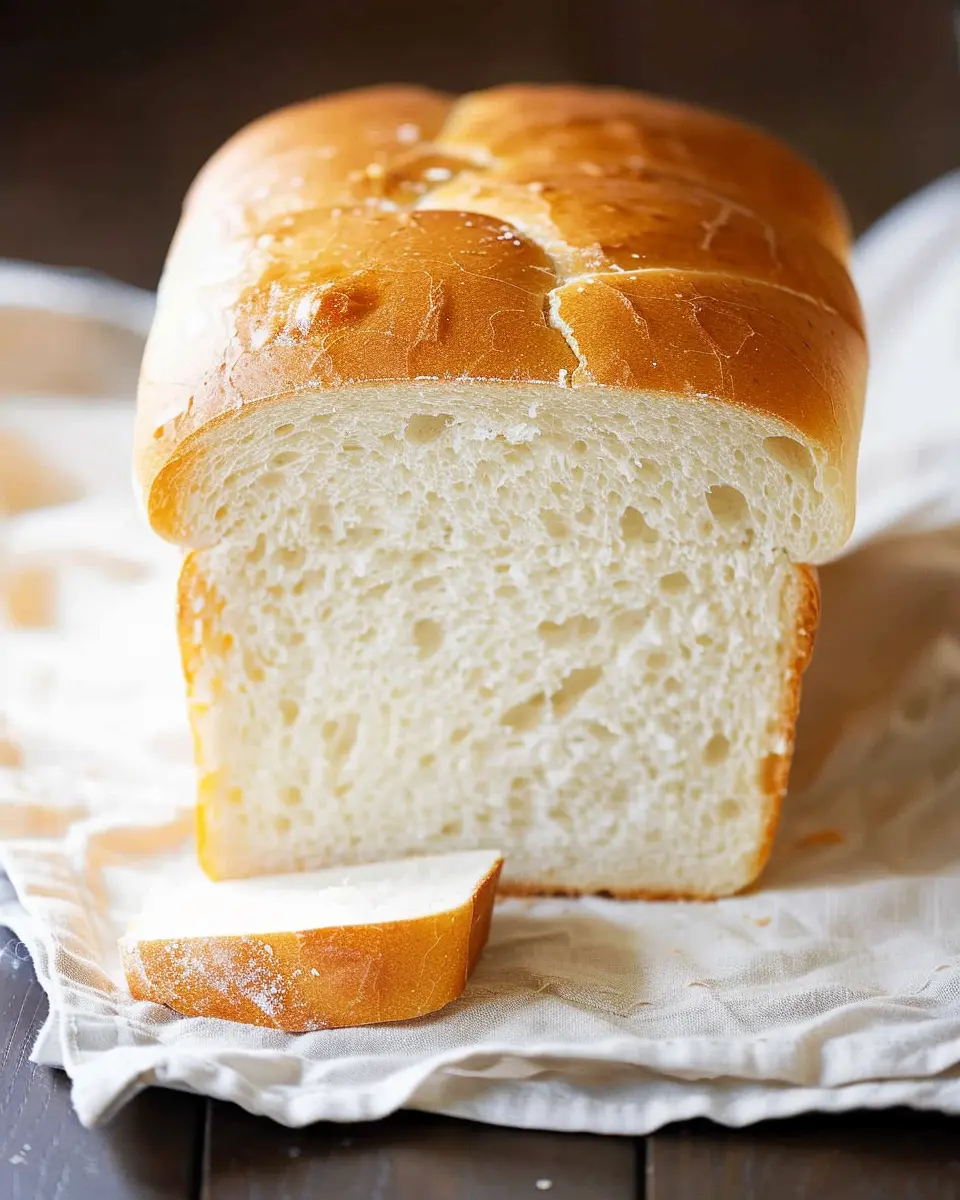
Variations on Amish White Bread
Amish White Bread is incredibly versatile, and the variations add unique twists that can cater to different tastes and dietary preferences.
Whole Wheat Amish Bread
For a heartier version, try Whole Wheat Amish Bread. This variant combines the classic Amish recipe with whole wheat flour, lending a nuttier flavor and higher fiber content. The warmth of whole grains not only enhances the bread’s texture but also provides additional nutrients.
To make it, simply replace half of the all-purpose flour with whole wheat flour. You might notice that dough hydration levels change, so you may need to add a little extra water. Don’t worry if it feels a bit denser; this is the charm of whole wheat. A study from the Whole Grains Council highlights the nutritional benefits of incorporating whole grains into your diet, making this variation both delicious and healthy.
Herb-Infused Amish Bread
If you’re looking to elevate your bread experience, consider making Herb-Infused Amish Bread. Adding herbs like rosemary, thyme, or basil not only enhances the scent of your kitchen as the bread bakes but also infuses each slice with vibrant flavors.
To achieve this, incorporate about 2 tablespoons of your chosen dried herbs into the dough during the mixing stage. This flavorful spin is perfect for accompanying soups or as a base for fantastic sandwiches, such as Turkey Bacon and Chicken Ham. Simply imagine a slice of warm, herb-infused bread artfully layered with your favorite fillings.
Experimenting with these variations not only keeps your meals interesting but also allows you to showcase your creativity in the kitchen. Check out King Arthur Baking for tips on working with different flour types and infusing flavors!
Cooking Tips and Notes for Amish White Bread
Baking Amish White Bread is a rewarding experience, but a few tips can make your loaf even better.
Perfecting the Dough
-
Kneading: Ensure you’re kneading your dough for about 10 minutes. This develops gluten, which gives your bread a lovely texture. If you’re struggling, try using a stand mixer with a dough hook for a consistent knead.
-
Rising Time: Allow your dough to rise in a warm, draft-free area. A good rule of thumb is to aim for about double in size. If you want to speed things up, consider preheating your oven for a minute and then turning it off before letting the dough rise there.
Avoiding Common Pitfalls
-
Flour Measurement: Use the spoon-and-level method for measuring flour. This prevents overly dense bread.
-
Baking Temperature: An oven thermometer can ensure your temperature is just right. If your bread burns on the surface before it’s cooked through, cover it loosely with foil halfway through baking.
For further insights on bread baking, check resources from the American Institute of Baking. Enjoy your freshly baked Amish White Bread!
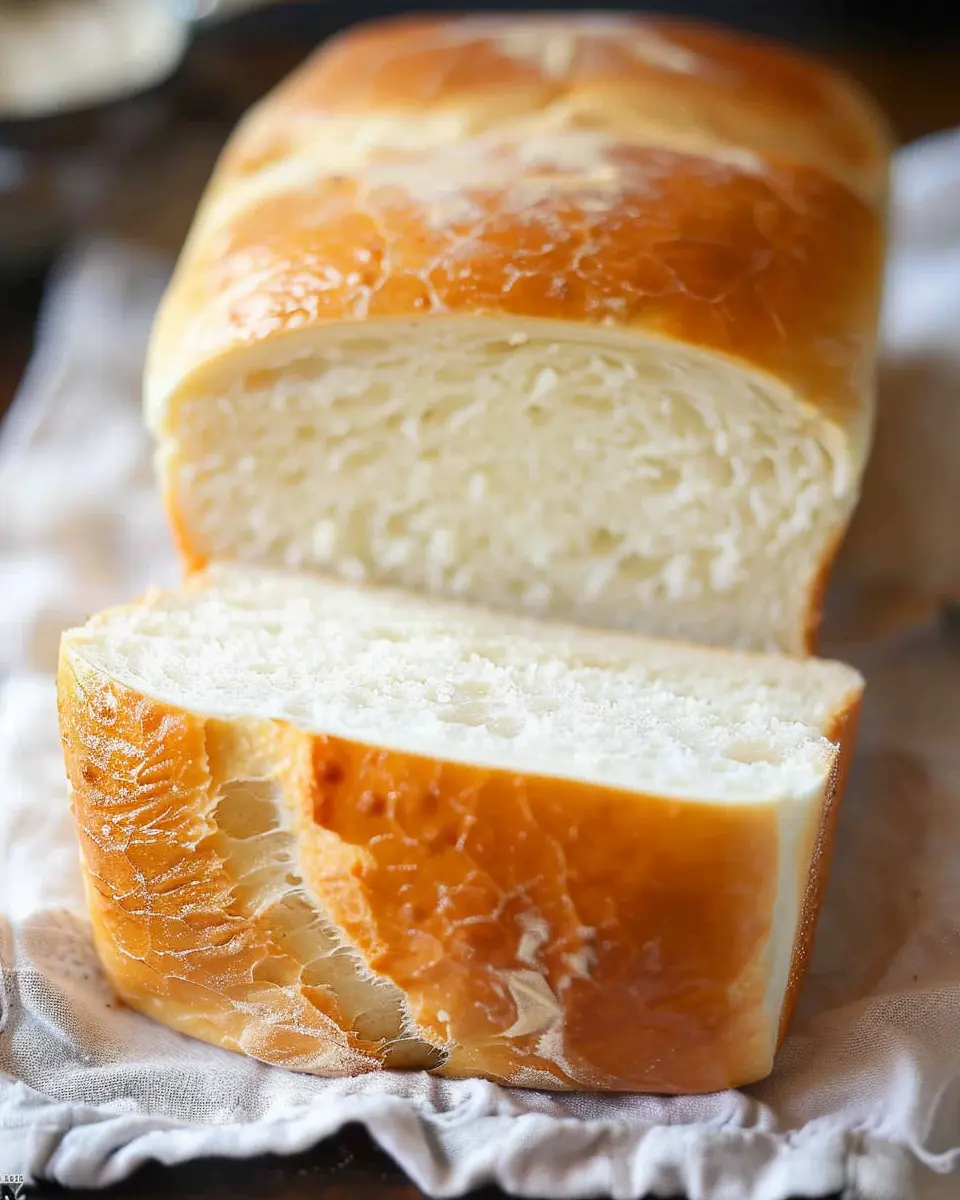
Serving Suggestions for Amish White Bread
When it comes to enjoying Amish White Bread, the possibilities are utterly delightful. This deliciously soft and fluffy bread can transform your meals and snacks in many ways. Here are some wonderful serving suggestions to help you make the most of this homemade treasure.
Perfect Pairings for Breakfast
Start your day with a slice of Amish White Bread toasted to perfection. Spread a generous layer of creamy peanut butter or your favorite jam. For something savory, try adding slices of fresh tomato topped with a sprinkle of salt. You can even go for a delicious breakfast sandwich featuring Turkey Bacon or egg for a satisfying protein boost.
Savory Lunch Ideas
- Sandwich Delight: Use Amish White Bread as the foundation for a hearty sandwich. Layer fresh greens, sliced Chicken Ham, and a touch of mustard for that classic flavor.
- Open-Faced Goodness: Toast a slice and pile on avocado, followed by a sprinkle of feta cheese and cracked black pepper for a nutritious twist.
Delectable Dinner Accompaniments
Serve slices alongside your meals, soaking up all the delicious sauces. Whether it’s a savory beef stew or a hearty soup, this bread acts as the perfect sidekick.
For more inspiration, consider checking out this bread pairing guide, which dives into how different breads complement various dishes.
Incorporate these suggestions, and you’ll elevate your Amish White Bread experience to new heights!
Time details for Amish White Bread
Preparation Time
Making Amish White Bread is a delightful experience that only takes about 15 minutes of your time in the kitchen. Gather your ingredients—flour, sugar, salt, yeast, and warm water. If you’re like me, setting up your workspace makes you feel organized and ready to create something wonderful.
Cooking Time
The baking process for your Amish White Bread takes roughly 30-35 minutes. You’ll love the aroma filling your home as the dough transforms into a beautiful golden loaf in the oven.
Total Time
In total, you’re looking at about 1 hour involved in making this delicious bread from start to finish. Keep in mind, though, that allowing the dough to rise can take about an hour as well, so plan ahead! If you’ve got time, consider letting it rise a little longer for even better flavor and texture. While you wait, why not explore some expert tips on bread baking? Check out The Bread Baker’s Guild for some great insights.
Enjoy this simple yet rewarding culinary journey!
Nutritional Information for Amish White Bread
When it comes to homemade comfort food, Amish White Bread stands out not just for its delightful texture and flavor but also for its nutritional profile.
Calories
One slice of Amish White Bread typically contains around 80 calories. This makes it a great base for your favorite spreads or sandwiches without overwhelming your daily caloric intake.
Carbohydrates
With each slice offering approximately 15 grams of carbohydrates, this bread is a delicious source of energy. It’s perfect for fueling your day, whether you’re tackling work or enjoying a leisurely weekend brunch.
Protein
While not a protein powerhouse, each slice provides about 2 grams of protein. Pair it with protein-rich toppings like turkey bacon or chicken ham for a more balanced meal. If you’re interested in more about carbohydrates in bread, you can check out Healthline for expert insight.
As with any bread, it’s essential to enjoy it in moderation. Amish White Bread can certainly find a welcomed spot in your dietary routine, especially when prepared at home with wholesome ingredients!
FAQs about Amish White Bread
How can I store Amish white bread?
Proper storage is essential to keep your Amish white bread fresh and delicious. For short-term storage, wrap the bread in plastic wrap or foil and keep it at room temperature for up to 3 days. If you prefer, place it in an airtight container to help maintain its moisture. Just keep it out of direct sunlight—not only does it make the bread stale faster, but it can also affect its flavor!
Can I freeze Amish white bread?
Absolutely! Freezing is a fantastic way to ensure your Amish white bread lasts longer. Slice the bread before freezing it, so you can easily take out just what you need. Wrap each slice in plastic wrap and place them in a freezer-safe bag. Your bread can stay frozen for up to three months. When you’re ready to enjoy it, simply let the slices thaw at room temperature, or pop them directly into the toaster for a quick toast.
What recipes can I make using this bread?
The possibilities are endless with Amish white bread! Here are a few delicious ideas:
- Sandwiches: Use it for classic turkey bacon and avocado sandwiches or try a hearty chicken ham and cheese melt.
- French Toast: Turn your bread into delightful french toast for a special breakfast.
- Bread Pudding: Transform stale slices into a comforting bread pudding for dessert.
- Garlic Bread: Make quick garlic bread for serving with pasta or soups.
If you’re looking for more inspiration, check out resources like the Bread Baking Bible for creative uses of homemade bread!
Remember, this Amish white bread is not just an ingredient; it’s a canvas for your culinary creativity!
Conclusion on Amish White Bread
Making Amish White Bread isn’t just about the end product; it’s also about the experience. The scent of freshly baked bread wafting through your home can transform your kitchen into a cozy escape.
With simple ingredients and an easy process, you can create a loaf that brings warmth not only to your table but also to your heart. Whether you slather it with butter for breakfast or use it as the base for a delightful sandwich with turkey bacon or chicken ham, Amish White Bread is versatile and satisfying. For deeper insights into the history of bread-making, you might find this National Geographic article insightful. Happy baking!
PrintAmish White Bread: The Best Homemade Loaf You’ll Adore

Discover the ultimate recipe for Amish White Bread that you will adore making at home.
- Prep Time: 15 minutes
- Cook Time: 35 minutes
- Total Time: 2 hours
- Yield: 2 loaves
- Category: Bread
- Method: Baking
- Cuisine: American
- Diet: Vegetarian
Ingredients
- 4 cups all-purpose flour
- 2 tablespoons sugar
- 1 teaspoon salt
- 2 1/4 teaspoons active dry yeast
- 1 1/2 cups warm water
Instructions
- In a large bowl, combine the warm water, yeast, and sugar. Let it sit for about 5 minutes.
- Add the salt and flour gradually, mixing until a dough forms.
- Knead the dough for about 10 minutes until smooth.
- Place the dough in a greased bowl, cover it, and let it rise until doubled in size.
- Punch down the dough, shape it into loaves, and place them in greased pans.
- Allow the dough to rise again until it doubles.
- Bake in a preheated oven at 350°F for 30-35 minutes.
Notes
- Use bread flour for a chewier texture.
- Store in an airtight container for freshness.
Nutrition
- Serving Size: 1 slice
- Calories: 120
- Sugar: 1g
- Sodium: 150mg
- Fat: 1g
- Saturated Fat: 0g
- Unsaturated Fat: 0g
- Trans Fat: 0g
- Carbohydrates: 23g
- Fiber: 1g
- Protein: 4g
- Cholesterol: 0mg