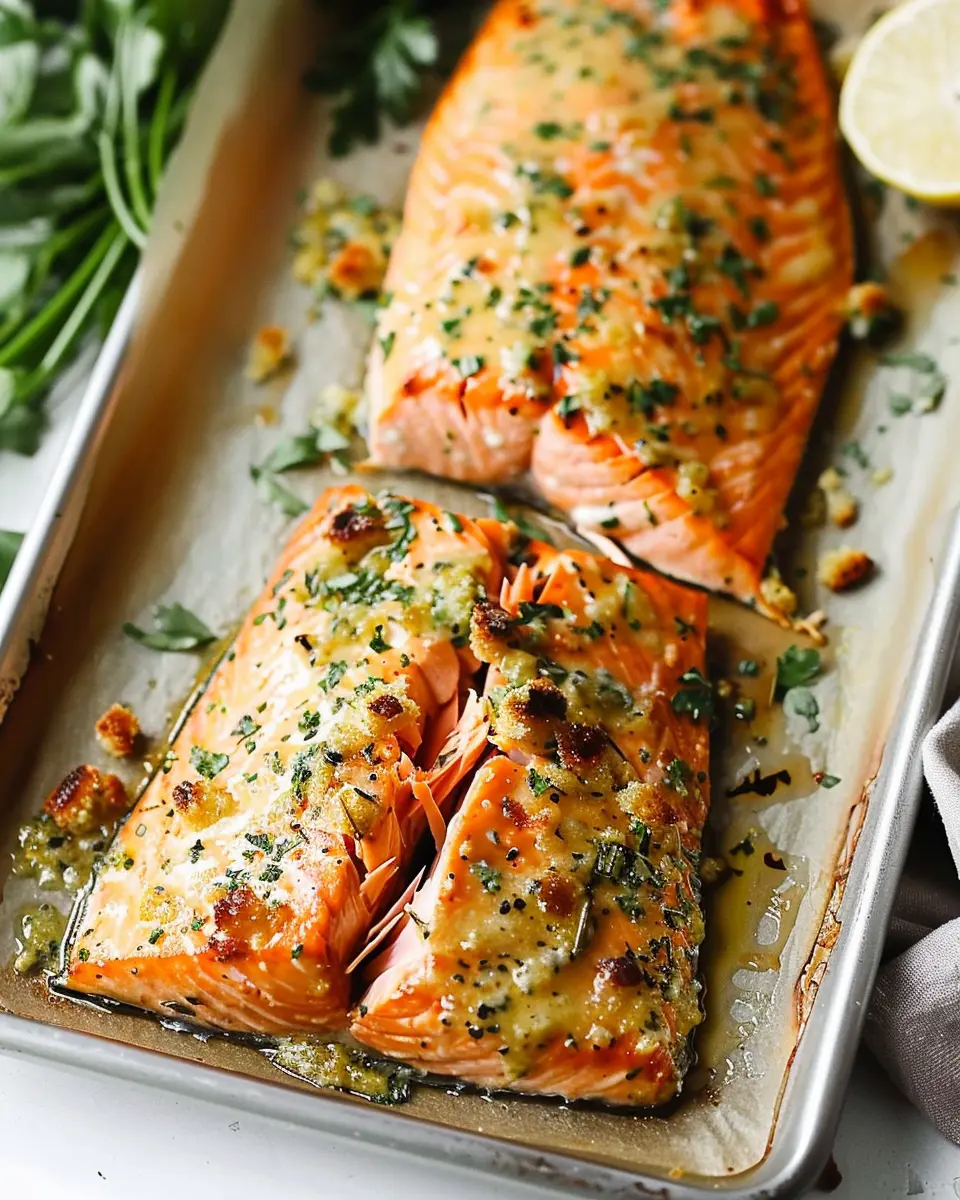
Introduction to Baked Dijon Salmon
Why Baked Dijon Salmon is a Game-Changer for Your Weeknight Dinners
If you’ve ever faced the age-old dilemma of what to prepare for dinner after a long day, let me introduce you to a delightful solution: Baked Dijon Salmon. This dish is not just quick to prepare; it’s also packed with flavor and nutrition, making it a perfect fit for busy weeknights.
Imagine stepping into your kitchen, putting on your favorite playlist, and effortlessly whipping up a healthy meal in about 30 minutes. With just a handful of ingredients, Baked Dijon Salmon becomes an instant favorite for anyone looking to elevate their weekday dinner routine. The combination of mustard and honey creates a beautifully balanced glaze that enhances the rich flavors of the salmon, making each bite a delicious experience.
Not only is this dish simple and satisfying, but it also caters to those of us who may be watching our health. Salmon is renowned for its omega-3 fatty acids, which have been linked to numerous health benefits, including improved heart health and brain function. According to the American Heart Association, incorporating fish into your diet at least twice a week can make a significant impact on your overall well-being.
But the best part? You can easily customize the recipe! Feel free to experiment with herbs or pair the salmon with your favorite roasted vegetables for an additional health boost. Plus, you can make it ahead of time—store the glazed salmon in the fridge and pop it in the oven when you’re ready to eat.
This recipe is a testament to the notion that healthy cooking doesn’t have to be time-consuming or bland. Whether you’re cooking for yourself after a busy day or entertaining friends, Baked Dijon Salmon will impress your palate without overwhelming your schedule. And if you’re curious about new seasonings or side ideas, don’t hesitate to check out resources like EatingWell or Healthline for inspiration.
In short, if you’re looking to simplify your meal prep while indulging in something delicious, you might just find your new go-to dish with Baked Dijon Salmon.
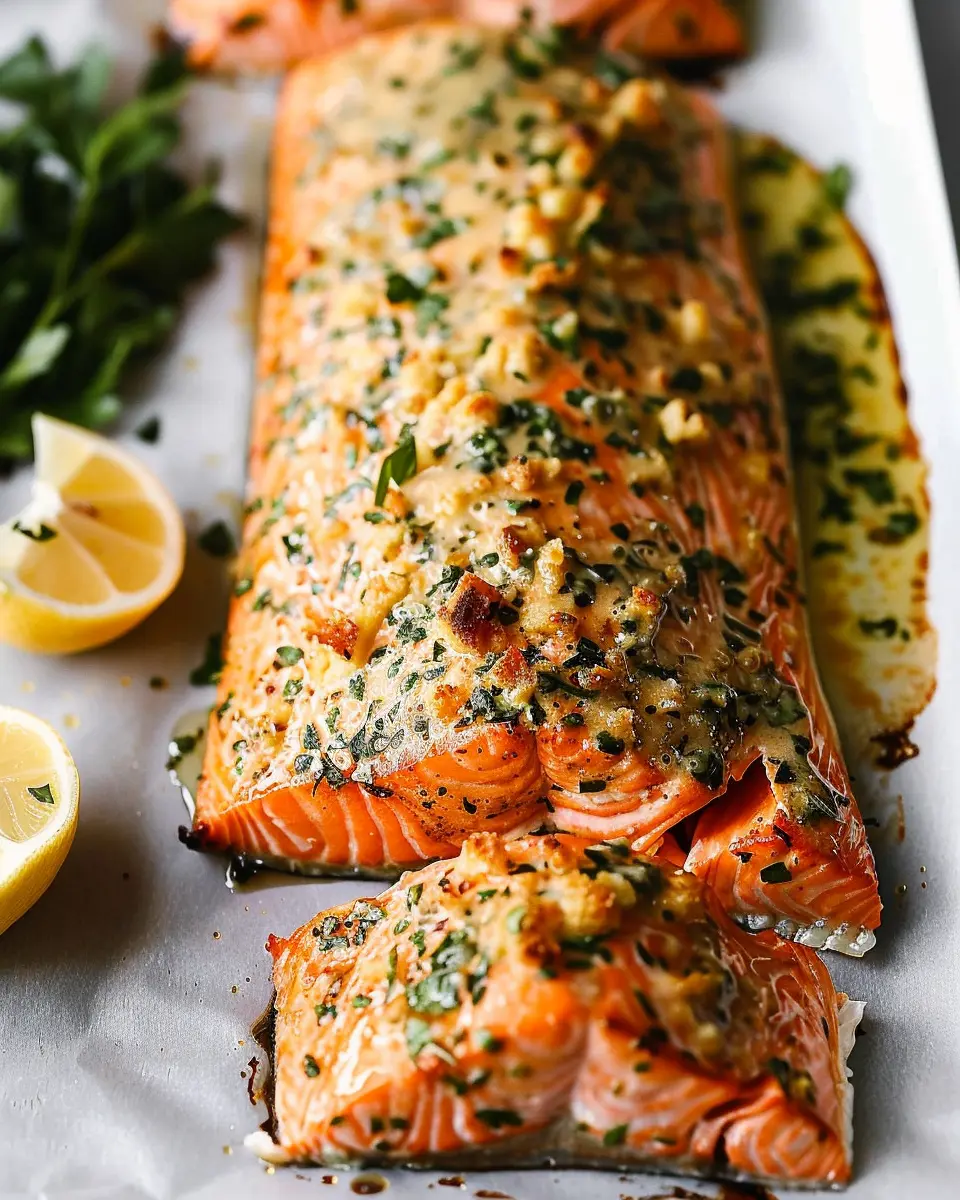
Essential ingredients for the perfect Baked Dijon Salmon
Creating a mouthwatering Baked Dijon Salmon doesn’t have to be complicated. With the right ingredients, you’ll have a dish that’s not only flavorful but also quick to prepare. Here’s a handy list of essentials:
- Fresh Salmon Fillets: Choose high-quality salmon for the best texture and flavor. Skin-on fillets often retain moisture better during cooking.
- Dijon Mustard: The star ingredient! Opt for a smooth, tangy Dijon to marry perfectly with the salmon.
- Honey: A splash of sweetness balances the mustard’s sharpness, creating a beautifully complex glaze. If you’re looking for a lower-calorie option, you can use agave syrup instead.
- Garlic: Fresh minced garlic adds an aromatic touch, making your dish even more irresistible.
- Lemon Juice: A squeeze of fresh lemon brightens the flavors and cuts through the richness of the salmon.
- Olive Oil: Helps to keep the salmon moist during baking while adding a delicious depth of flavor.
- Herbs: Fresh dill or parsley sprinkled on top enhances the presentation and flavor.
For further inspiration, you might want to explore Choosing the right fish for your cooking, which can elevate your culinary game. Each of these ingredients plays a crucial role, so don’t skip any!
Preparing Baked Dijon Salmon
Baked Dijon Salmon is a delightful dish that brings together the rich flavors of salmon, tangy Dijon mustard, and a touch of honey for sweetness. Whether you’re preparing a cozy dinner for yourself or impressing friends at a gathering, this dish is both simple and sophisticated. Let’s walk through the steps to ensure your Baked Dijon Salmon turns out perfectly every time.
Preheat and Prepare the Baking Tray
The first step towards creating your tempting Baked Dijon Salmon is to preheat your oven to 400°F (200°C). This ensures that your salmon will cook evenly and develop that delectable crispy exterior we all love.
While the oven warms up, grab a baking tray and line it with parchment paper or lightly grease it with olive oil. This not only prevents the salmon from sticking but also makes cleanup a breeze, allowing you to fully enjoy your meal without dreading the aftermath.
Whisk Together the Dijon Mixture
Next up is the heart of this recipe – the Dijon mixture! In a small bowl, you’ll want to combine:
- 3 tablespoons Dijon mustard
- 1 tablespoon honey (for that perfect balance)
- 1 tablespoon olive oil
- A pinch of salt and pepper (to taste)
Using a whisk or fork, mix these ingredients until they’re well blended. The combination of the sharp, tangy mustard with the sweet honey creates a delightful marinade that enhances the natural flavors of the salmon.
If you’re looking for more information on the health benefits of Dijon mustard, check out this Healthline article!
Prepare the Salmon Fillet
Now, let’s get that beautiful salmon fillet ready. Pat the salmon dry with a paper towel to remove any excess moisture. This step is crucial because a dry surface allows for better browning and flavor absorption.
If you have skin-on salmon, you can leave it as is since it helps keep the fish moist during cooking. Salmon is also packed with omega-3 fatty acids, making it a nutritious choice for your meal. Did you know that just a 3-ounce serving of salmon can give you over 1,500 mg of omega-3s? For those looking to balance taste and health, this fish is a fantastic option.
Coat and Bake the Salmon
Once your salmon is prepped, it’s time to coat it with that delicious Dijon mixture. Spread it evenly over the top of the fillet, ensuring every bite will be bursting with flavor.
Transfer the coated salmon onto your prepared baking tray and pop it in the preheated oven. Bake for about 12 to 15 minutes, depending on the thickness of your fillet. You want the salmon to be opaque and flaky when tested with a fork, but be cautious not to overbake it.
Serve and Enjoy!
After pulling your Baked Dijon Salmon from the oven, let it rest for a few minutes. This short waiting period allows the juices to redistribute, enhancing the overall flavor and texture.
Serve the salmon with a side of roasted vegetables or a fresh salad for a complete meal. The contrast of the rich, flavorful salmon with the fresh accompaniments is simply heavenly.
And there you go! You’ve just prepared a wonderful Baked Dijon Salmon dish that’s not only easy but also packed with flavor. Enjoy this meal with friends, family, or a cozy evening at home. It’s sure to impress everyone at the table!
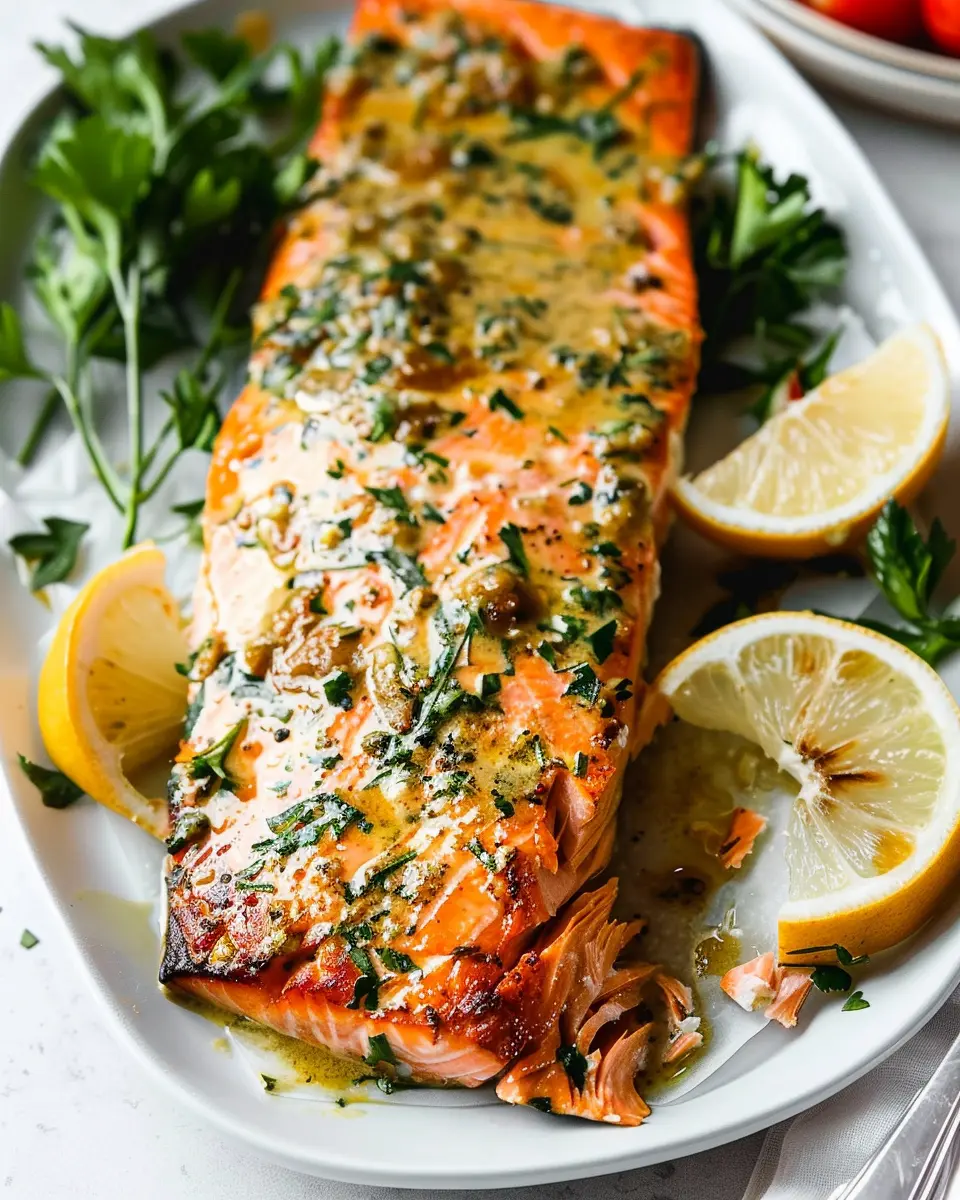
Variations on Baked Dijon Salmon
Adding a Crunchy Topping
Elevate your Baked Dijon Salmon with a delightful crunchy topping! Think about incorporating panko breadcrumbs mixed with a touch of olive oil, garlic powder, and your favorite herbs. This simple addition not only provides a satisfying texture but also enhances the overall flavor profile. For an extra twist, try mixing in some finely chopped nuts, like almonds or walnuts, for added richness and a burst of nutrition. You can customize the topping to suit your taste — perhaps even sprinkle a little grated Parmesan on top before baking for a savory finish!
Incorporating Seasonal Vegetables
Why not make your Baked Dijon Salmon a one-pan meal by including seasonal vegetables? As you prepare your salmon, arrange fresh asparagus, zucchini, or cherry tomatoes around the fillets. These vegetables roast beautifully and soak up the delicious Dijon and herb flavors, creating a vibrant plate. Plus, it’s a great way to boost your meal’s nutritional value.
As a personal tip, I love using whatever’s fresh at the local farmer’s market. Not only does this support local growers, but choosing in-season produce can also enhance the taste of your dish! For example, pairing your salmon with seasonal squash in the summer or brussels sprouts in the winter works like a charm.
If you’re interested in more creative ideas for incorporating veggies into your baking routine, check out sources like America’s Test Kitchen or Serious Eats for inspiration and guidance. By following these variations, you can easily make your Baked Dijon Salmon unique every time you prepare it!
Cooking Tips and Notes for Baked Dijon Salmon
Importance of Salmon Quality
When it comes to Baked Dijon Salmon, the quality of the salmon is key. Aim to choose wild-caught salmon over farmed whenever possible. Wild salmon tends to be richer in omega-3 fatty acids and has a more robust flavor. Not sure where to find it? Try local fish markets or look for trustworthy online sources. Freshness matters, so check for bright, vibrant flesh—this indicates a healthy catch!
Tips for Achieving the Perfect Bake
Getting your salmon just right can feel daunting, but with a few simple strategies, you’ll impress your friends and family in no time:
- Preheat Properly: Ensure your oven is preheated to 375°F (190°C); this helps cook the salmon evenly.
- Use Parchment Paper: Lining your baking sheet with parchment makes clean-up a breeze and keeps the fish moist.
- Monitor Cooking Time: Salmon usually bakes for 12-15 minutes per inch of thickness. Keep an eye on it to avoid overcooking.
- Check with a Fork: Gently flake the salmon with a fork to check if it’s done—if it flakes easily, it’s perfect!
By keeping these tips in mind, your Baked Dijon Salmon will be a crowd-pleaser at any dinner table! For more fish cooking inspiration, check out resources like the American Heart Association for healthy recipes and tips.
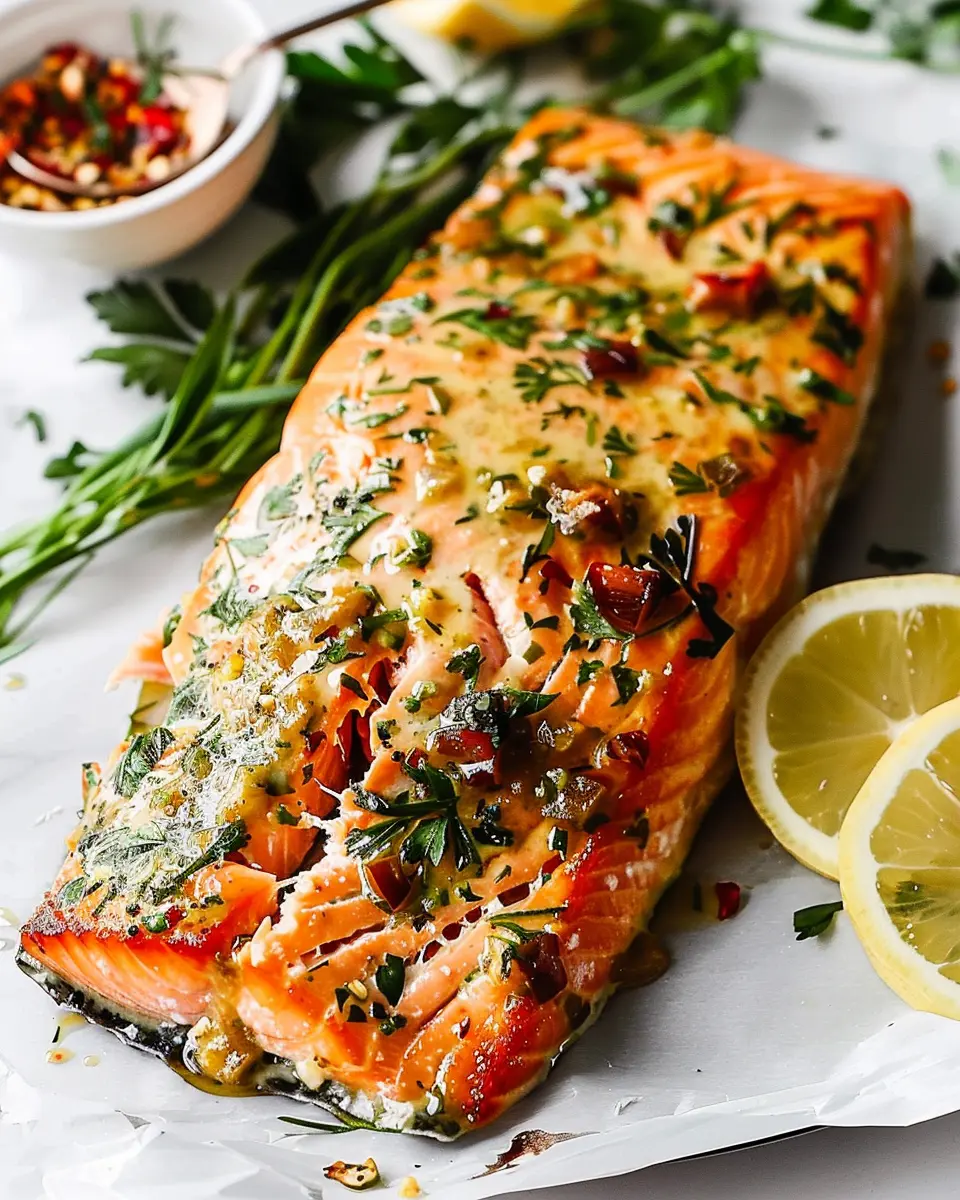
Serving Suggestions for Baked Dijon Salmon
Pairing Sides that Complement the Salmon
When you’re enjoying Baked Dijon Salmon, the right sides can really elevate your meal. Here are some delightful pairings:
-
Roasted Vegetables: Think asparagus, bell peppers, or Brussels sprouts tossed in a bit of olive oil and seasoned with salt and pepper. Their natural sweetness pairs beautifully with the tang of the Dijon.
-
Quinoa Salad: A refreshing quinoa salad with cherry tomatoes, cucumber, and a light lemon vinaigrette brings a nice contrast while keeping it healthy.
-
Mashed Potatoes: Creamy mashed potatoes, perhaps with a hint of garlic or thyme, make for a comforting side that balances the dish nicely.
Creative Serving Ideas
Serving Baked Dijon Salmon can be a fun opportunity to get a bit creative. Try these suggestions:
-
Mini Salmon Tacos: Shred the salmon and serve it in small corn tortillas with avocado and slaw for a fun twist.
-
Salmon Bowls: Layer the salmon over brown rice or cauliflower rice and top with fresh veggies, a drizzle of tahini, and some seeds for crunch.
-
Salmon Salad: Flake any leftovers into a salad for lunch, using mixed greens, nuts, and a light vinaigrette.
By experimenting with these sides and serving ideas, you can enjoy your Baked Dijon Salmon in exciting new ways! For more inspiration on sides, check out this article for an array of side dishes that can perfectly complement your main. Happy cooking!
Time Breakdown for Baked Dijon Salmon
Preparation time
Getting your Baked Dijon Salmon ready is a breeze! You’ll need about 10-15 minutes to gather your ingredients and whip up that delicious Dijon marinade. It’s the perfect opportunity to unwind after a busy day.
Cooking time
Now for the fun part: roasting your salmon! Once it’s in the oven, you can sit back and relax as it takes about 15-20 minutes to cook through perfectly. This step is crucial for achieving that delightful blend of flavors while keeping the salmon moist and flaky.
Total time
In total, you’ll spend around 30-35 minutes from start to finish on this fantastic dish. It’s the ideal weeknight meal that balances quick preparation with mouthwatering results. Ready to impress? Check out more tips on quick meal prep at Cooking Light.
Nutritional Facts for Baked Dijon Salmon
When you’re enjoying a delicious plate of Baked Dijon Salmon, knowing the nutritional content can be quite rewarding! Here’s a quick breakdown.
Caloric content
A typical serving of this flavorful salmon dish contains around 250 calories. This makes it a fantastic choice for a healthy dinner that aligns with your wellness goals.
Macronutrient breakdown
- Protein: Approx. 30g. Salmon is not only tasty but also an excellent source of lean protein, vital for muscle repair and growth.
- Fat: Around 12g, primarily healthy unsaturated fats, which are great for heart health.
- Carbohydrates: Minimal at 5g, making it ideal for those following a low-carb diet.
For the latest on nutrition and wellness, you might find the resources at Healthline or Nutrition.gov helpful.
FAQs about Baked Dijon Salmon
How can I ensure my salmon stays moist?
Keeping your Baked Dijon Salmon moist is key to a delicious meal. Here are some tips to help you achieve that perfect, tender texture:
- Don’t Overcook: Salmon cooks quickly. Aim for an internal temperature of 145°F (63°C). Use a meat thermometer to check.
- Marinate: Letting your salmon sit in the Dijon mustard mix for at least 30 minutes before baking can help infuse moisture and flavor.
- Baking Method: Cover your salmon with foil for the first half of the cooking time to trap steam, ensuring it stays moist and flaky.
Can I use different types of mustard?
Absolutely! While Dijon mustard gives your Baked Dijon Salmon a unique flavor, feel free to experiment. Here are other mustard options you might enjoy:
- Honey Mustard: Adds a touch of sweetness for a nice contrast.
- Whole Grain Mustard: Provides texture and a robust taste.
- Spicy Mustard: For those who love a kick, this can elevate your dish’s flavor profile.
Experimenting with mustards can be a fun way to personalize your salmon recipe.
What are some good side dishes for salmon?
Pairing your Baked Dijon Salmon with complementary side dishes can really elevate your meal. Consider these options:
- Roasted Vegetables: Carrots, asparagus, or broccoli make for vibrant, healthy sides.
- Quinoa Salad: Add some crunchy veggies and a citrus dressing to balance the salmon’s richness.
- Wild Rice: Its nutty flavor complements the Dijon beautifully.
These sides not only enhance the meal but also provide a burst of color and nutrients.
For more tips on pairing dishes with salmon, check out resources from the Seafood Nutrition Partnership, and enjoy your cooking experience!
Conclusion on Baked Dijon Salmon
Recap of the Benefits and Flavors of This Dish
In summary, Baked Dijon Salmon is not just a delightful addition to your dinner table; it’s packed with incredible health benefits. Rich in omega-3 fatty acids, salmon promotes heart health and brain function, making it a smart choice for busy young professionals. The tangy Dijon mustard adds a layer of flavor that perfectly complements the fish’s natural richness, creating a dish that’s both satisfying and uplifting.
Why You Should Try This Recipe
The combination of Dijon mustard and fresh herbs elevates the salmon, making it a great way to impress friends or simply indulge in a self-care dinner. With ease of preparation and a vibrant taste, why not give it a go? For more healthy recipes, explore EatingWell, where you’ll find endless inspiration for your next meal!
PrintBaked Dijon Salmon: Easy Recipe for a Flavorful Family Dinner
Discover a simple and delicious recipe for Baked Dijon Salmon that your family will love.
- Prep Time: 10 minutes
- Cook Time: 20 minutes
- Total Time: 30 minutes
- Yield: 4 servings
- Category: Dinner
- Method: Baking
- Cuisine: American
- Diet: Gluten-Free
Ingredients
- 4 salmon fillets
- 1/4 cup Dijon mustard
- 2 tablespoons honey
- 1 tablespoon olive oil
- 1 teaspoon garlic powder
- 1/2 teaspoon salt
- 1/4 teaspoon black pepper
- 2 tablespoons fresh parsley, chopped
Instructions
- Preheat your oven to 375°F (190°C).
- In a bowl, mix together the Dijon mustard, honey, olive oil, garlic powder, salt, and pepper.
- Place the salmon fillets on a baking sheet lined with parchment paper.
- Spread the Dijon mixture over the salmon fillets.
- Bake for 15-20 minutes, or until the salmon is cooked through and flakes easily with a fork.
- Garnish with fresh parsley before serving.
Notes
- For a spicier kick, add a dash of cayenne pepper to the mustard mixture.
Nutrition
- Serving Size: 1 fillet
- Calories: 300
- Sugar: 3
- Sodium: 400
- Fat: 15
- Saturated Fat: 2
- Unsaturated Fat: 10
- Trans Fat: 0
- Carbohydrates: 6
- Fiber: 0
- Protein: 30
- Cholesterol: 70