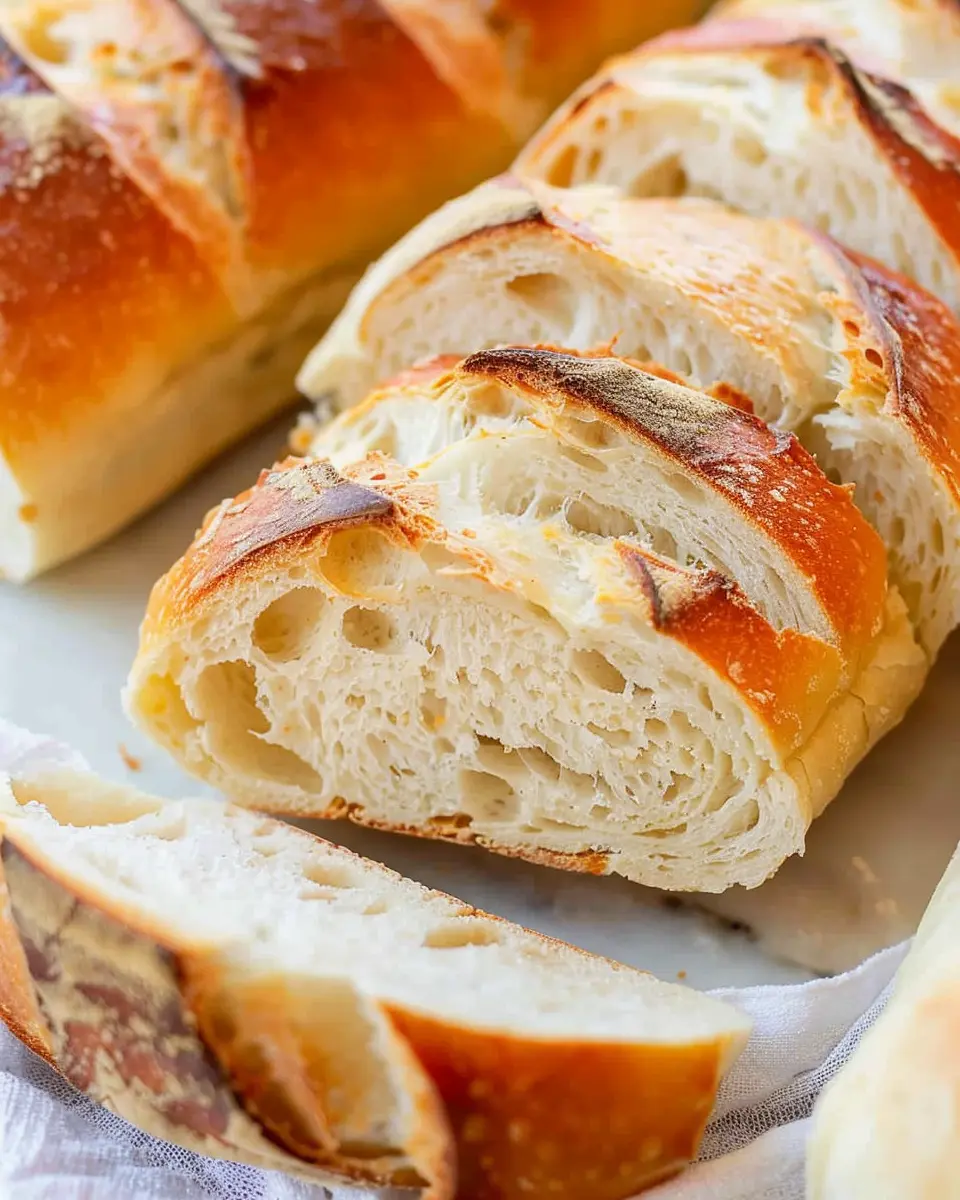
Introduction to Homemade French Bread
Making homemade French bread can feel like an intimidating task, but let me tell you why it’s absolutely worth it. First off, the scent of freshly baked bread wafting through your kitchen? There’s nothing quite like it. It instantly creates a warm, welcoming atmosphere that invites friends and family to gather around the table.
Why make homemade French bread?
-
Quality Control: When you make your own bread, you’re in control. You choose the ingredients, ensuring they’re fresh and high-quality. No preservatives or artificial flavors—just you and some basic staples like flour, water, yeast, and salt.
-
Cost-Effective: Have you checked the price of artisanal French bread lately? It can be surprisingly costly. Making it at home is not just fulfilling, but also budget-friendly. You can create several loaves for less than the price of one found in a bakery.
-
Creative Outlet: Baking is a wonderful way to express creativity. You can experiment with different flours, herbs, or toppings. Have you ever thought about adding rosemary or garlic? Combining flavors can take your bread to an entirely new level, making it a standout dish at your next gathering.
-
Nutritional Benefits: Homemade bread allows you to avoid unhealthy additives often found in store-bought varieties. You can enrich your loaf with whole grains or seeds, increasing its nutritional value significantly.
-
Satisfaction Guaranteed: There’s a certain pride that comes with baking your own bread. The first time you pull out a golden-brown loaf from the oven, you’ll be hooked. Not to mention, the joy on your friends’ faces when they taste your homemade French bread is sure to be a rewarding moment.
If you’re still feeling unsure, don’t worry! Plenty of resources can help you get started. Websites like King Arthur Baking provide fantastic tutorials and baking tips to guide you every step of the way. So roll up your sleeves and get ready to transform your kitchen into a delightful bakery—your taste buds will thank you!
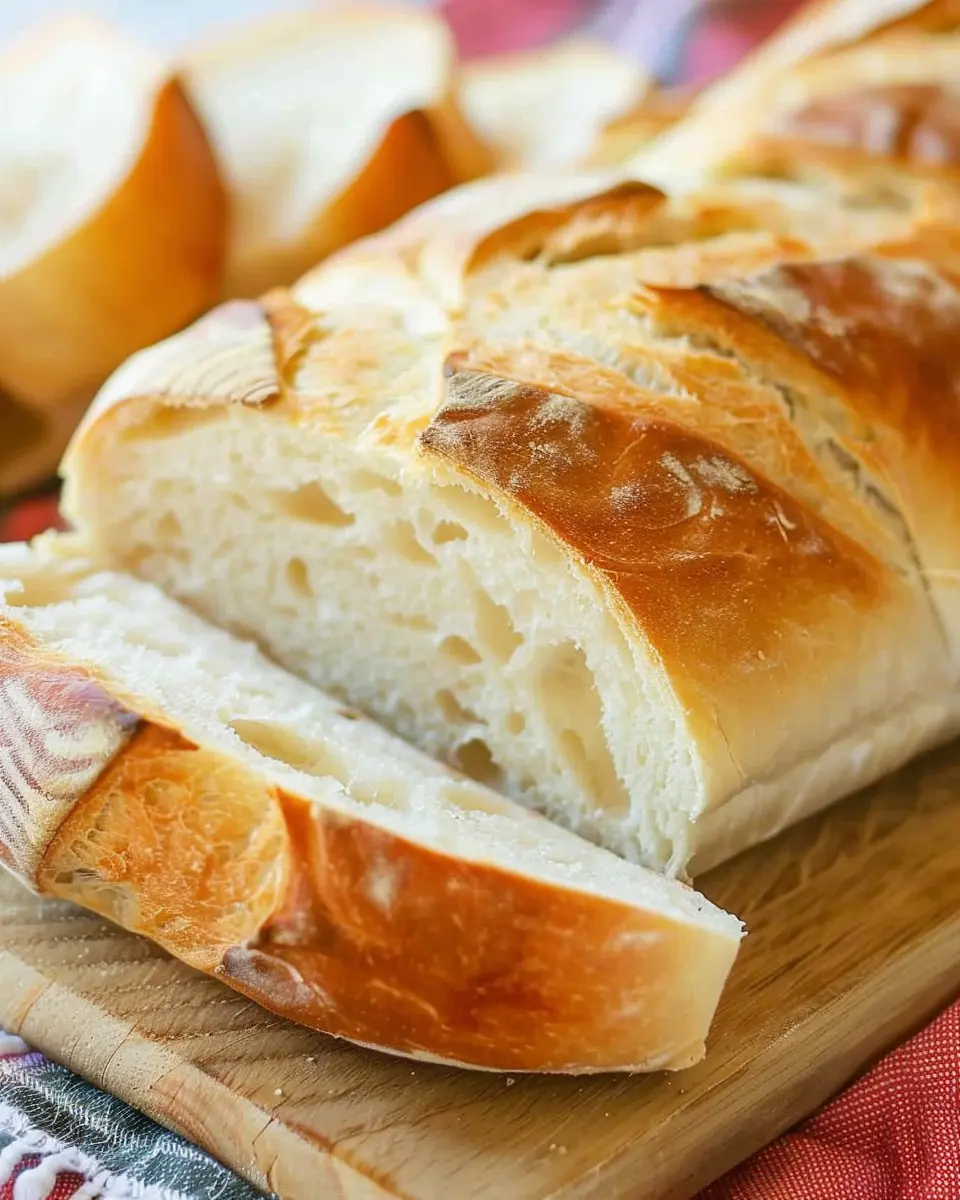
Ingredients for Homemade French Bread
Essential ingredients you need
Creating homemade French bread is easier than you might think! The foundation of this delightful loaf includes:
- All-purpose flour: About 4 cups for that perfect structure. You can also substitute some with bread flour for extra chewiness.
- Warm water: Approximately 1.5 cups, ideally between 100°F and 110°F, to activate the yeast effectively.
- Active dry yeast: One packet (2.25 teaspoons) will help your dough rise beautifully.
- Salt: About 2 teaspoons to bring out the flavors in your bread.
- Sugar: Just a teaspoon helps activate the yeast and adds slight sweetness.
These basic ingredients will yield a crusty, airy bread that’s perfect for sandwiches or simply slathered with butter.
Optional ingredients for extra flavor
If you want to elevate your homemade French bread, consider adding some optional ingredients:
- Olive oil: A couple of tablespoons can add richness.
- Herbs: Dried rosemary, thyme, or even minced garlic gives your bread a unique twist.
- Sesame or poppy seeds: Sprinkling them on top adds an appealing crunch and taste.
Experiment with these variations to find your ideal flavor profile! If you’re looking for more inspiration, check out this detailed guide from Wilton on bread-making techniques. The possibilities are endless when it comes to creating your unique version of homemade French bread!
Preparing Homemade French Bread
Making homemade French bread might seem like a daunting task, but with each step, you’ll find that it’s more about patience and love than complex techniques. Let’s dive into how you can create that crusty, golden bread that brings warmth to any meal.
Activate the yeast
The backbone of any quality bread is its yeast. To start, gather the following:
- 2 ¼ teaspoons (one packet) of active dry yeast
- 1 tablespoon of sugar
- 1 cup of warm water (about 110°F)
In a mixing bowl, combine the yeast, sugar, and warm water. Stir gently and let this mixture sit for about 5-10 minutes until it becomes frothy. This is your cue: if it bubbles up, congrats! Your yeast is active and ready to work its magic. For more on yeast activation, you might find this article on kingarthurbaking.com helpful.
Mix the dry ingredients
Next up, it’s time to move on to the dry ingredients. In a separate bowl, combine:
- 4 cups of all-purpose flour
- 2 teaspoons of salt
Mix these together with a whisk to ensure even distribution. Salt is crucial for flavor and helps strengthen the dough, but keep it away from the yeast until you’re ready to combine; it can inhibit your yeast’s activation.
Create the dough
Here comes the fun part – mixing everything together! Gradually add the frothy yeast mixture to your flour and salt mixture. Stir until a shaggy dough forms. If it’s too sticky, don’t be afraid to add a little more flour, but do this sparingly; you want a dough that’s slightly tacky, not dry. Once combined, turn it out onto a lightly floured surface and knead for about 10 minutes. Remember, kneading is essential; it develops gluten, which gives your homemade French bread that delightful texture.
Let the dough rise
Now that your dough is kneaded into a smooth ball, it’s time to let it rise. Place the dough in a lightly greased bowl, cover it with a damp cloth or plastic wrap, and let it rest in a warm area for about 1-2 hours, or until it doubles in size. This is where the real magic happens; as the dough rises, think about how amazing the smell will be when it’s baking!
Shape the loaves
After the dough has risen, it’s ready to be shaped. Turn it out onto a floured surface and gently punch it down to release some of the air. Divide the dough into two equal portions, and shape each into a loaf. Gently stretch and fold the dough, tucking the ends under. Place each shaped loaf on a baking sheet lined with parchment paper or a floured baking stone. Allow the loaves to rest for another 30 minutes, covered with a cloth. This step is crucial for the final texture of your homemade French bread.
Bake the loaves to perfection
Preheat your oven to 450°F (generally, you want your oven super hot for bread!). Right before you put the loaves in the oven, make a few diagonal slashes on top of each loaf with a sharp knife — this isn’t just for looks; it allows for expansion as they bake. For added flavor and that crusty exterior, you can mist the inside of your oven with water a few times during baking. Bake for 25-30 minutes until golden brown. You’ll know they’re done when they sound hollow when tapped on the bottom.
And voilà! You have delightful, aromatic homemade French bread. Enjoy your fresh loaves with a dab of butter or a side of olive oil for dipping. Making bread is a beautiful way to connect with cooking and impress your friends and family! For tips on pairing your bread with meals, check out this useful guide on foodpairing.com. Happy baking!
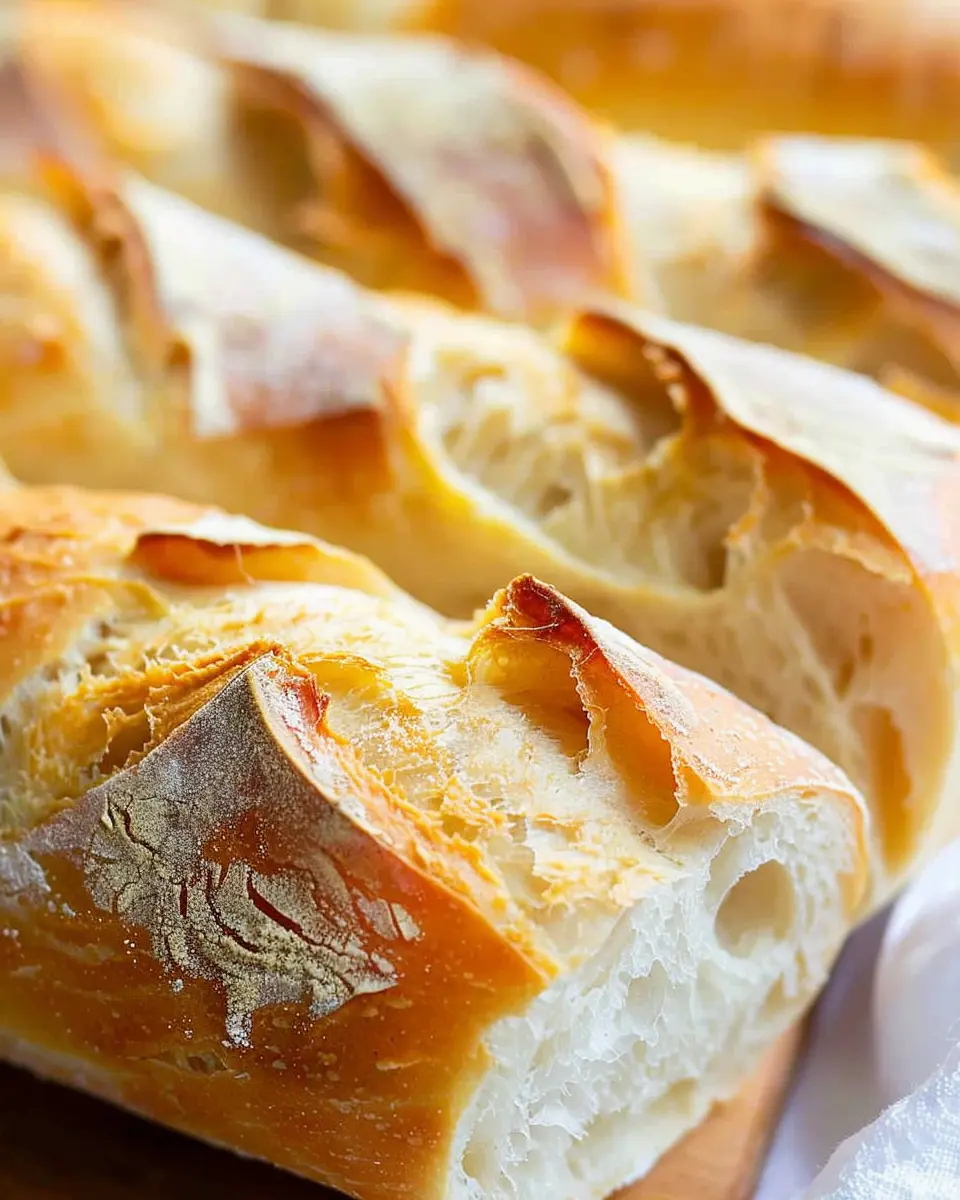
Variations on Homemade French Bread
There’s something truly delightful about the aroma of fresh-baked homemade French bread wafting through your kitchen. But why stop at the classic loaf? Here are two scrumptious variations that will elevate your baking game.
Herb-infused French Bread
Imagine slicing into warm, crusty bread that carries the fragrance of herbs! For a delightful twist, simply add minced fresh herbs—think rosemary, thyme, or basil—directly into your dough while kneading. Not only do they infuse flavor, but they also create a stunning visual appeal.
- Use about 2 tablespoons of finely chopped herbs.
- For a Mediterranean flair, consider incorporating garlic and a bit of sun-dried tomato.
- Serve with a side of olive oil and balsamic vinegar for dipping, or alongside a hearty soup.
Creating herb-infused French bread is as simple as that!
Seeded French Bread
For a nutty crunch, try adding seeds to your homemade French bread. Pumpkin seeds, sesame seeds, or even a sprinkle of poppy seeds on top can add texture and nutrition.
- Mix about 1/4 cup of assorted seeds into the dough.
- For added flavor, toast the seeds lightly before mixing.
- A light brush of oil before baking will help them stick and create a lovely golden finish.
This variation pairs perfectly with spreads or as a base for sandwiches featuring turkey bacon or chicken ham.
Enhancing your homemade French bread is all about experimenting and finding the flavors you love. Don’t be afraid to get creative—your kitchen is the perfect lab for tasty experiments. If you need more inspiration, check out this French bread baking guide for tips and tricks. Happy baking!
Cooking Tips and Notes for Homemade French Bread
Achieving the Perfect Crust
Creating that signature crispy exterior on your homemade French bread can transform a good loaf into an extraordinary one. Here are a few tips to help you succeed:
- Steam is Key: Introduce steam in your oven during the first few minutes of baking. You can achieve this by placing a pan of hot water on a lower rack or by spritzing the oven with water right after putting in the bread.
- Preheat Properly: Make sure your oven is fully preheated. A hot oven is crucial for that immediate rise and crust formation. Aim for around 450°F (232°C).
- Baking Stone or Steel: Using a baking stone or steel can help maintain even heat, creating a delightful crust that mimics traditional French bakeries.
How to Store Homemade French Bread
To keep your homemade French bread fresh for as long as possible, consider these storage methods:
- Wrap it Up: After the bread has fully cooled, wrap it in a kitchen towel or paper bag to help retain its moisture while allowing some air circulation.
- Freezing for Later: If you can’t finish it all, slice the loaf and freeze individual pieces. Just be sure to use a freezer-safe bag or wrap them tightly to minimize freezer burn.
For further insights, check out resources like AllRecipes for more bread storage tips! Happy baking!
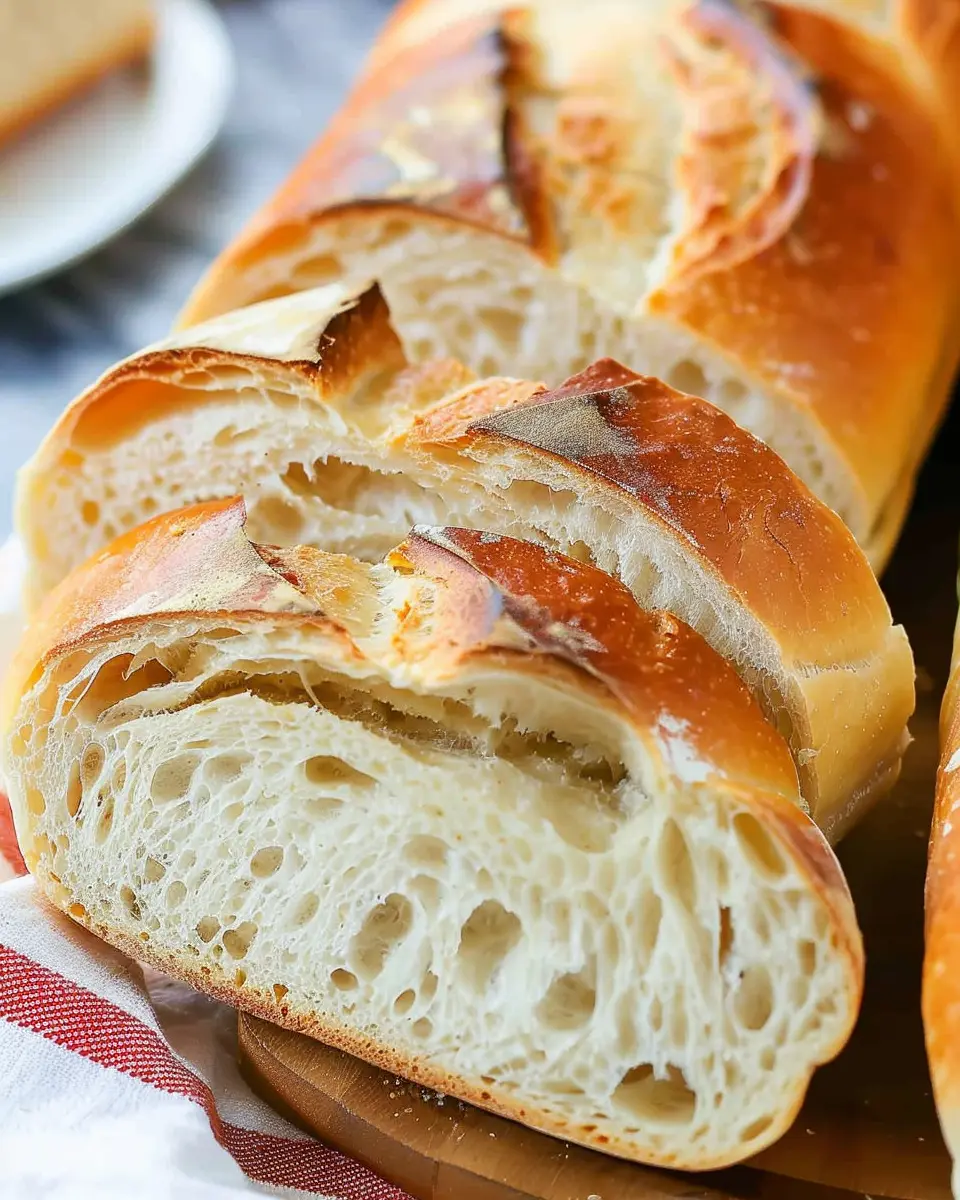
Serving Suggestions for Homemade French Bread
Perfect pairings with spreads and dips
Looking for delicious ways to enjoy your homemade French bread? The possibilities are endless. Whether you’re hosting friends or enjoying a quiet night in, try spreading a layer of creamy garlic herb cheese or a tangy sun-dried tomato spread for a delightful appetizer. For a fresh twist, make a simple olive oil and balsamic vinegar dip; the rich flavors will elevate your bread to gourmet status.
Additionally, consider pairing slices with roasted red pepper hummus or a classic spinach dip for an equally satisfying experience. You might even try a drizzle of honey over thick slices topped with goat cheese for a savory-sweet treat.
Creative ways to use leftover French bread
Got some leftover homemade French bread? Fear not! Transform it into delicious croutons by cubing and tossing them with olive oil and your favorite spices before baking until golden. These crispy bites are perfect for salads or soups and can make even a simple dish feel exciting.
Alternatively, whip up a comforting bread pudding or French toast for a decadent breakfast treat. The robust texture of your bread will soak up flavors beautifully, ensuring a memorable meal any time of day. Plus, what could be better than a little indulgence?
Explore more about versatile uses for bread and related recipes at sources like The Kitchn or Food Network.
Time Breakdown for Homemade French Bread
Creating homemade French bread may seem intimidating, but it’s all about the time you invest. Here’s how the timing breaks down for a remarkable loaf:
Preparation Time
Expect to spend about 15 minutes mixing and kneading the ingredients. This is where the fun begins, as you bring together flour, yeast, and water to create your dough.
Rising Time
Patience is key here. Allow the dough to rise for 1 to 1.5 hours. During this period, it transforms into a fluffy wonder, thanks to the fermentation process. You could use this time to indulge in some online cooking classes for the perfect side dishes—like Fresh Salads cookinglight.com for a delightful pairing.
Baking Time
Once risen, it’s showtime! Baking takes about 25–30 minutes, filling your kitchen with incredible scents that are hard to resist.
Total Time
In total, you’re looking at around 2 to 2.5 hours from start to finish, but most of that is hands-off. So why not take a moment to sip your favorite brew while waiting?
With just a little bit of time and love, you’ll have delicious homemade French bread that’s perfect for any meal!
Nutritional Facts for Homemade French Bread
When it comes to homemade french bread, knowing the nutritional facts can help you enjoy it guilt-free. Let’s break it down:
Calories per serving
A typical serving of homemade french bread contains about 120 calories. This makes it a fairly light option, perfect for pairing with healthy toppings or enjoying on its own.
Protein content
You’ll find around 4 grams of protein per slice. While it may not be a powerhouse source, every bit helps in supporting muscle repair and growth—especially if you enjoy it as part of a balanced meal.
Sodium levels
Homemade versions typically have lower sodium than store-bought alternatives, averaging around 200-300 mg per serving. This is great for those watching their sodium intake, as you can easily control the amount of salt used in the recipe.
For more detailed nutritional information, consider checking out resources such as the USDA FoodData Central or Nutrition Data for a comprehensive view of your favorite ingredients.
FAQs about Homemade French Bread
Can I use whole wheat flour instead of all-purpose?
Absolutely! Substituting whole wheat flour for all-purpose flour in homemade French bread can add a delightful nutty flavor and extra nutrition. However, since whole wheat flour is denser, you might want to start with a mix of half whole wheat and half all-purpose for the best texture. This balance can help create a lighter loaf while still benefitting from the added fiber and protein that whole wheat provides. For some great tips on making the switch, check out resources from The Whole Grains Council.
How can I tell when my bread is done baking?
Knowing when your homemade French bread is perfectly baked can be tricky. Here are some reliable methods to check:
- Color: Look for a golden-brown crust that appears crusty and inviting.
- Sound: Tap the bottom of the loaf! If it sounds hollow, it’s likely done.
- Temperature: Use a kitchen thermometer; a perfect internal temperature is around 190°F to 200°F.
Trust your instincts alongside these cues—your nose can be a great indicator too!
What’s the best way to store homemade French bread?
Storing your homemade French bread properly is key to maintaining its freshness. Here’s how to do it:
- Let it cool completely before storing.
- Wrap the loaf in plastic wrap or aluminum foil for short-term storage (1-2 days).
- For longer storage, slice and freeze pieces in a freezer-safe bag. This method retains freshness for up to three months!
If you need tips on defrosting, visit The Kitchn.
With these insights, you’ll have all the tools you need to create and enjoy delicious homemade French bread!
Conclusion on Homemade French Bread
Baking your own bread is a rewarding experience that touches both the heart and the palate. When you create homemade French bread, you’re not just mixing flour and water; you’re embracing a tradition that connects you to countless bakers before you.
The benefits of baking your own bread
The benefits of crafting your own homemade French bread are numerous:
- Healthier Ingredients: You have total control over what goes into your bread, ensuring it’s free from preservatives and artificial additives.
- Cost-Effective: Making your own bread can save you money compared to store-bought versions, especially if you bake in bulk.
- Sense of Accomplishment: The aroma of baking fills your kitchen, creating a warm atmosphere and providing a fulfilling accomplishment.
So why not give it a try? Whether you pair your bread with savory turkey bacon or a classic chicken ham, the possibilities are deliciously endless! For more tips on perfecting your baking skills, check out King Arthur Baking for expert advice. Happy baking!
PrintHomemade French Bread: The Best Easy Recipe You’ll Love
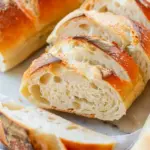
Learn how to make homemade French bread that is easy and delicious. Perfect for any meal!
- Prep Time: 15 minutes
- Cook Time: 30 minutes
- Total Time: 1 hour 45 minutes
- Yield: 2 loaves
- Category: Bread
- Method: Baking
- Cuisine: French
- Diet: Vegetarian
Ingredients
- 4 cups all-purpose flour
- 1 ½ cups warm water
- 2 teaspoons salt
- 2 teaspoons sugar
- 2 ¼ teaspoons active dry yeast
Instructions
- In a bowl, mix warm water, sugar, and yeast. Let it sit for 5 minutes.
- Add flour and salt to the yeast mixture; stir until a dough forms.
- Knead the dough for about 10 minutes until smooth.
- Let the dough rise in a covered bowl for 1 hour.
- Punch down the dough and shape it into loaves.
- Let the loaves rise for another 30 minutes.
- Bake in a preheated oven at 375°F (190°C) for 25-30 minutes until golden brown.
Notes
- Ensure your yeast is fresh for best results.
- Use a kitchen thermometer to check the water temperature.
Nutrition
- Serving Size: 1 slice
- Calories: 120
- Sugar: 1g
- Sodium: 200mg
- Fat: 1g
- Saturated Fat: 0g
- Unsaturated Fat: 0g
- Trans Fat: 0g
- Carbohydrates: 24g
- Fiber: 1g
- Protein: 4g
- Cholesterol: 0mg