Introduction to Korean Egg Rice
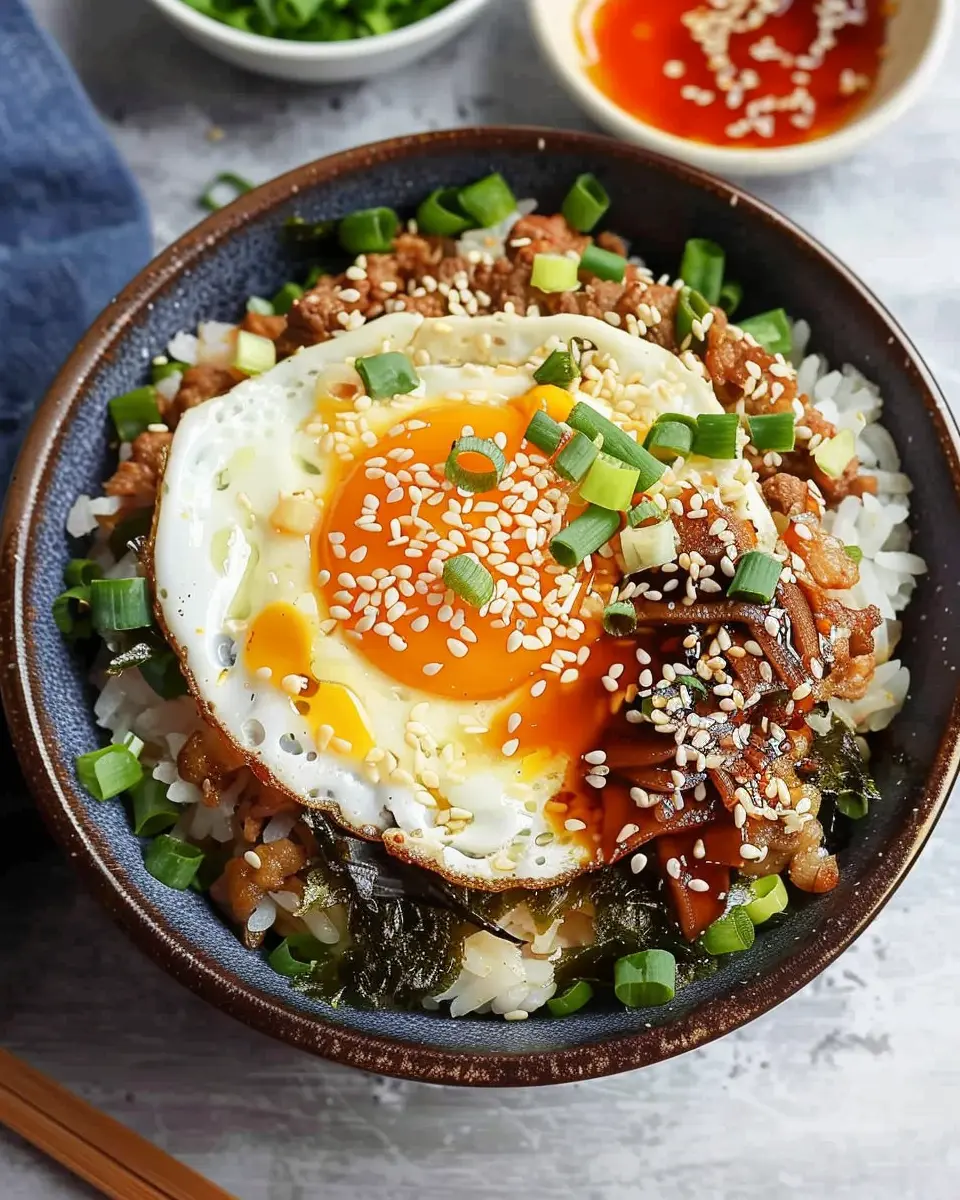
Have you ever stumbled upon a dish that just beckons you to the table with its aroma and simplicity? If not, let me introduce you to Korean egg rice, or Gyeran Bap. This delightful dish has made its way onto countless dinner tables, providing comfort and warmth. What’s not to love about perfectly cooked rice topped with a luscious fried egg?
Why should you try Korean Egg Rice?
First off, Korean egg rice is incredibly easy to make, making it perfect for those busy weeknights or when you’re feeling a bit lazy but still want something satisfying. More importantly, it’s a beautiful canvas for whatever toppings you have lying around. Feel free to get creative! A sprinkle of soy sauce, a dash of sesame oil, or even some sautéed vegetables can elevate your dish from simple to spectacular.
Moreover, the nutritional profile of this dish is quite appealing. Eggs are packed with protein, vitamins, and minerals, while rice gives you that essential carbohydrate boost. If you’re looking to tailor it to your dietary needs, you can use brown rice for added fiber or substitute the traditional rice with quinoa for a protein-rich alternative.
You might wonder how such a humble dish became a beloved staple in Korean cuisine. According to Korean culinary experts, dishes like Gyeran Bap originated as comfort food during tough times, offering a sense of home and warmth. Just think about that—your plate serves not just nourishment but a connection to Korean heritage. For an authentic take, you may want to check out resources from the Korea Food Foundation to delve deeper into its cultural significance.
In addition, it’s a fantastic way to incorporate leftovers! Have some turkey bacon or chicken ham sitting in your fridge? Chop them up and toss them on top for crunch and flavor. Not only does this dish provide a satisfying meal, but it also puts a fun spin on reducing food waste in your own kitchen.
So, are you ready to try your hand at making Korean egg rice? Get your pan ready because this quick and flavor-packed recipe is just a few steps away!
Ingredients for Korean Egg Rice
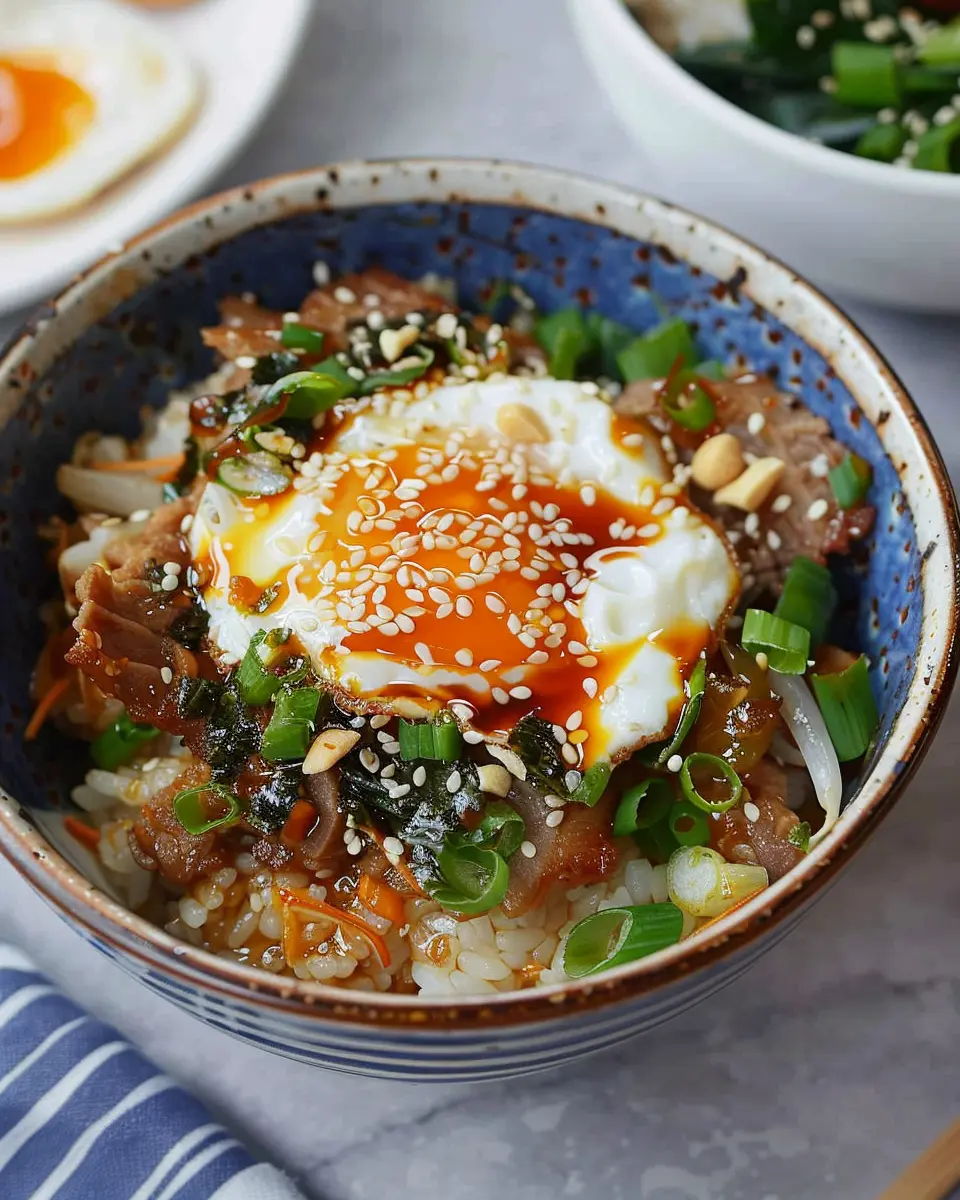
Essential ingredients for Gyeran Bap
To whip up a delicious serving of Korean egg rice, you’ll need some straightforward yet flavorful ingredients:
- Cooked rice: Ideally, use short-grain rice for that perfect stickiness.
- Eggs: Fresh eggs are a must—they’re the star of the show.
- Sesame oil: This adds that delightful nutty aroma.
- Salt: Just a pinch enhances the overall flavor.
- Green onions: Thinly sliced, they bring freshness and a pop of color.
These essentials form the foundation of your Gyeran Bap. We recommend using short-grain rice varieties for the best results!
Optional add-ins to elevate your dish
Want to take your Korean egg rice to the next level? Consider these tasty add-ins:
- Turkey bacon or chicken ham: Add a savory touch and a bit of protein.
- Vegetables: Try adding peas, diced carrots, or bell peppers for extra nutrients.
- Soy sauce or Gochujang: Just a splash can bring more umami to your dish.
- Seaweed flakes: Sprinkle some on top for a unique texture and flavor.
Feel free to customize your Gyeran Bap to suit your taste! With these ingredients, you’ll create a comforting, satisfying meal that’s both easy to prepare and delightful to eat.
Preparing Korean Egg Rice
If you’re looking for a comfort food that combines simplicity, nutrition, and an incredible flavor profile, then Korean egg rice is your go-to dish. With its fluffy rice and creamy eggs, this meal is not only satisfying but also perfect any time of the day. Let’s get started on this delightful recipe!
Choose Your Rice
The foundation of your Korean egg rice begins with the choice of rice. While short-grain Korean rice is the traditional pick, you have a few options:
- Short-Grain Rice: This is the classic choice. It’s sticky and perfect for clumping together, making it easy to scoop with chopsticks.
- Brown Rice: For a healthier twist, consider using brown rice. It has nuttier flavors and adds a nice texture.
- Cauliflower Rice: If you’re watching your carbs, cauliflower rice can be a fantastic alternative. It absorbs the flavors while keeping it light.
Whichever type you choose, make sure to rinse your rice until the water runs clear. This step removes excess starch and helps in achieving a fluffy consistency.
Prepare the Egg
An essential component of Korean egg rice is, of course, the egg! You want it to be rich and creamy, so let’s whip it up:
- Crack 2 eggs into a bowl and beat them lightly with a splash of water or a dash of milk to enhance creaminess.
- Season with salt and pepper. You can also mix in some thinly sliced green onions for an extra layer of flavor.
- Cook It Right: Heat a non-stick skillet over medium-low heat and add a little bit of oil or butter. Pour in the beaten eggs and stir gently, allowing them to cook slowly. The goal is to achieve soft, slightly runny scrambled eggs. This delicate texture complements the rice beautifully.
Combine Rice and Butter
Now that you have your rice and eggs ready, it’s time to bring them together. Here’s how:
- Heat a Pan: In a clean skillet, melt a tablespoon of butter over medium heat.
- Add the Rice: Once the butter is melted and bubbly, add in your cooked rice. Stir it well so that it coats in that delicious, creamy butter.
- Break Up Clumps: If you used leftover rice, it may have clumped together. Use a spatula to gently break apart any stubborn clumps, creating a smooth texture.
This step not only adds flavor but also gives the rice a nice glossiness.
Add Seasonings
This is where your Korean egg rice can shine! You can customize the taste to what suits your palate:
- Soy Sauce: Add a splash of soy sauce for that umami kick. You might want to start with a teaspoon and adjust to your preference.
- Sesame Oil: Just a few drops will elevate the dish, imparting a nutty flavor that’s oh-so-good.
- Garnishes: Consider adding sesame seeds, chopped green onions, or even a sprinkle of seaweed flakes for an authentic touch.
When mixing the seasonings, don’t be afraid to experiment. Try adding turkey bacon or chicken ham for a meatier version.
Serve with Flair
Presentation matters, especially for such a delightful dish. Here’s how to serve your Korean egg rice:
- Plating: Place the buttery rice in a bowl and top it generously with the soft scrambled eggs.
- Extras on Top: For that Instagram-ready finish, a drizzle of soy sauce, a sprinkle of sesame seeds, or even a dash of gochujang (Korean chili paste) can add a pop of color and flavor.
- Side Options: Pair it with pickled vegetables or a small side salad to create a well-rounded meal.
When you’re done, invite some friends over or enjoy it solo while binging your favorite show. Just remember, food is best when shared!
So there you have it—a simple guide to preparing Korean egg rice that’s not just delicious, but also a chance to connect with the soul of Korean cooking. Happy cooking!
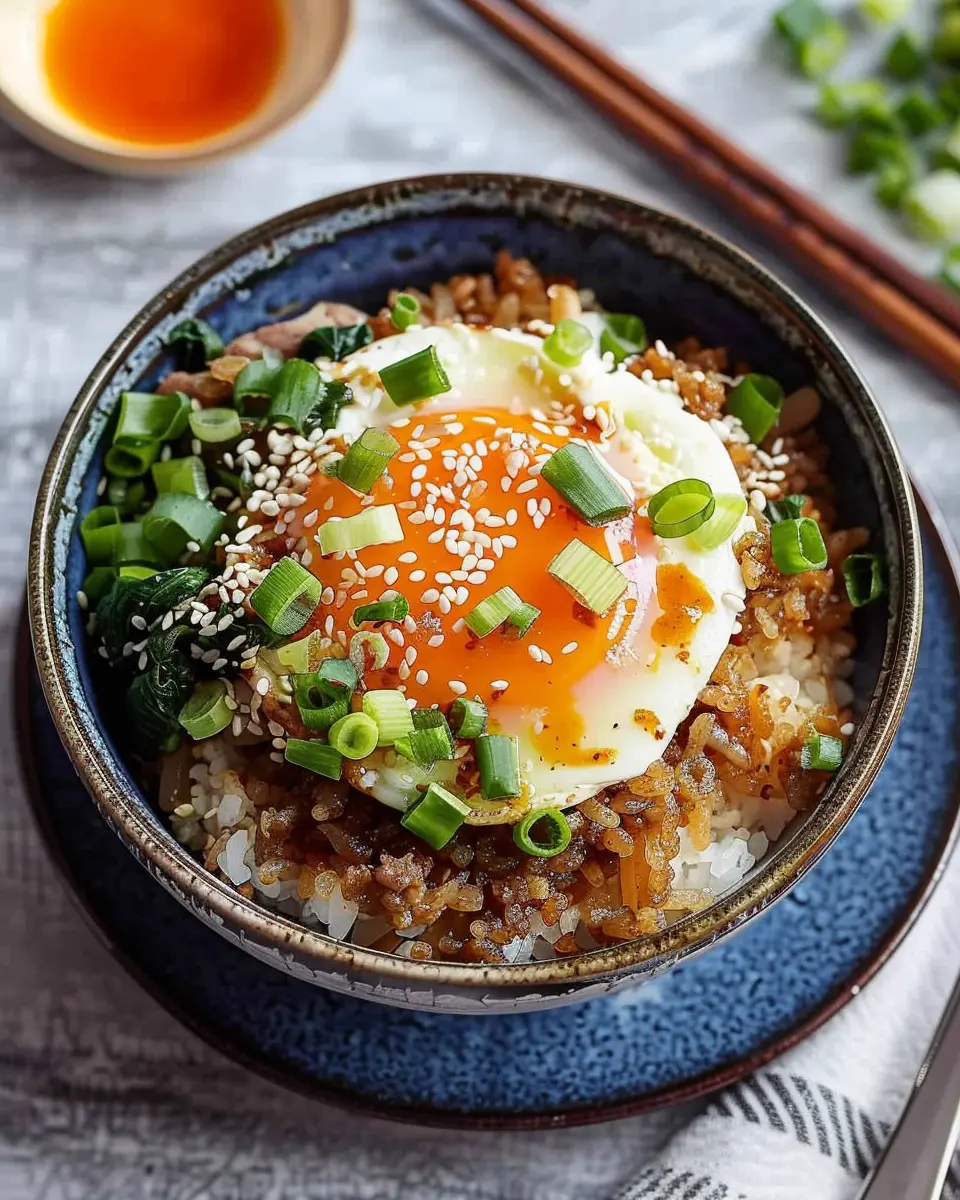
Variations of Korean Egg Rice
Korean egg rice, or gyeran bap, is a delightful canvas for creativity. Let’s take a look at some variations that can elevate this simple dish into a gourmet meal, perfect for busy weeknights or lazy weekends.
Gyeran Bap with Kimchi
If you’re looking for a flavor explosion, gyeran bap with kimchi is the way to go. The tangy, spicy notes of kimchi pair beautifully with the creamy egg, adding depth and complexity. Simply add a scoop of your favorite kimchi on top or mix it in, and you’ll experience a delightful fusion of flavors. Plus, kimchi is loaded with probiotics—great for gut health! You can learn more about the benefits of kimchi here.
Gyeran Bap with Canned Tuna or Chicken Ham
For a quick protein boost, try topping your gyeran bap with canned tuna or chicken ham. These options not only enhance the nutritional profile but also bring a satisfying, savory element to the dish. Just drain the canned tuna and mix it in or slice the chicken ham thinly and arrange it on top. It’s an effortless way to transform a simple meal into a hearty one, perfect for lunch or dinner.
Gyeran Bap with Avocado and Vegetables
If you’re craving something fresh, consider a rendition of Korean egg rice with avocado and vegetables. Mash half an avocado and spread it over your rice, then load up on colorful vegetables like spinach, bell peppers, or even cherry tomatoes. This variation is not only visually appealing but also packed with healthy fats and vitamins. It’s a great choice for anyone following a plant-focused diet.
Playing with your gyeran bap can lead to a world of delicious possibilities. What’s your favorite variation?
Cooking Tips and Notes for Korean Egg Rice
Tips for Perfect Rice
For a delicious bowl of Korean egg rice, the foundation is the rice itself. Choose high-quality short-grain rice, which is stickier and more flavorful. Rinse the rice thoroughly under cold water until the water runs clear—this removes excess starch and prevents gummy rice. A general rule of thumb is to use 1.2 cups of water for every cup of rice, but adjust slightly based on the variety you choose. Consider using a rice cooker for perfectly fluffy rice every time.
Perfecting the Fried Egg
The fried egg is perhaps the star of gyeran bap. For that perfect glossy look, heat a non-stick skillet over medium heat and use a little oil or butter to prevent sticking. Crack the egg into the skillet and reduce the heat to low. This will allow the whites to set while keeping the yolk runny—just as it should be! Remember to cover the pan briefly to steam the top if you prefer your whites thoroughly cooked, but it’s that beautifully runny yolk that really elevates your Korean egg rice.
For more tips on egg cooking techniques, check out Serious Eats. Happy cooking!
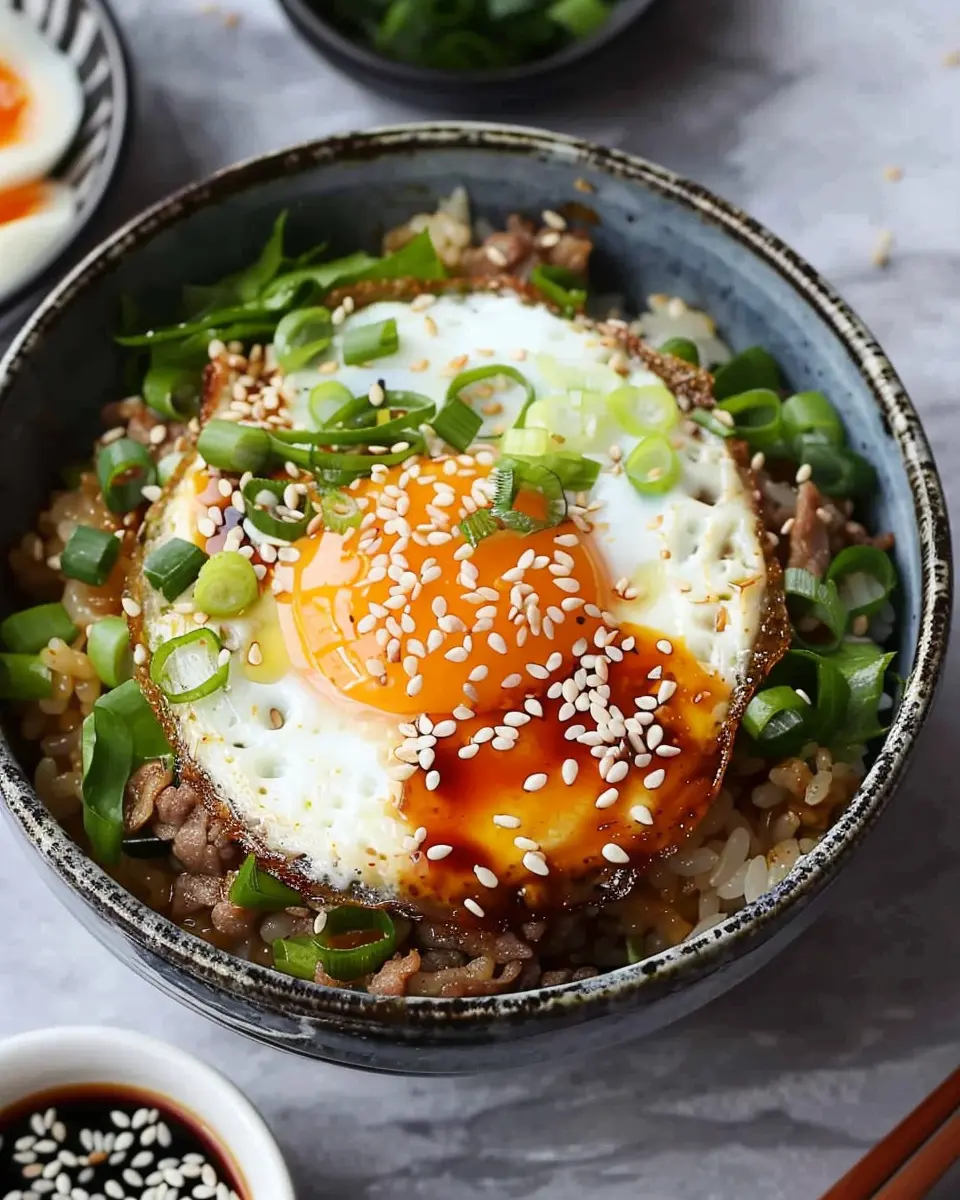
Serving Suggestions for Korean Egg Rice
Plating Ideas to Impress
When serving Korean egg rice (Gyeran Bap), presentation counts! Start with a shallow bowl or a stylish plate. Mound the warm rice in the center, allowing its fluffy texture to take the spotlight. Add a well-cooked egg on top; a runny yolk lends a delightful creaminess. Garnish with finely chopped green onions and a sprinkle of sesame seeds for a delightful pop of color. You can also serve a side of pickled radishes or kimchi to give your dish that authentic Korean flair.
Pairing Drinks to Complement Your Meal
What beverage pairs perfectly with this comforting dish? Green tea is a fantastic choice, as its earthy notes complement the flavors of Korean egg rice beautifully. If you’re looking for something a bit bolder, try pairing it with a refreshing sparkling water, perhaps with a slice of lemon to add zing. If you’re feeling adventurous, a light tropical smoothie can provide a unique contrast, blending perfectly with the umami notes of the dish.
For more beverage inspirations, check out this article on pairing drinks with Asian cuisine. Enjoy!
Time Breakdown for Korean Egg Rice
When you’re in a rush or just craving something comforting, Korean egg rice (Gyeran Bap) is the perfect recipe to whip up quickly. Here’s how the timing breaks down:
Preparation Time
Getting everything ready is a breeze and usually takes around 10 minutes. Gather your ingredients, chop your veggies, and you’ll be ready to cook in no time!
Cooking Time
Once you’re prepped, you can have your delicious Korean egg rice on the table in about 15 minutes. That’s just long enough to enjoy a quick dance break while you wait for those eggs to fluff up perfectly.
Total Time
Combining both preparation and cooking, the total time for this delightful dish is approximately 25 minutes. Perfect for a busy weeknight or a lazy weekend brunch—who doesn’t love a meal that comes together so quickly?
For tips on how to customize your dish further, check out this informative article on Korean culinary traditions.
Nutritional Facts for Korean Egg Rice
Korean egg rice, or gyeran bap, offers not only comfort but also a nutritional boost! Here’s what you need to know:
Calories
A generous serving of gyeran bap typically contains around 350-400 calories, depending on your specific ingredients like rice and eggs.
Protein Content
Packed with protein, this dish contains about 14-16 grams per serving. The eggs provide a great source of high-quality protein, vital for muscle maintenance and overall health.
Key Nutrients
This delightful meal is rich in:
- Vitamins: Eggs offer B vitamins, crucial for energy production.
- Minerals: You’ll find essential minerals like selenium and phosphorus.
- Healthy Fats: Depending on your choice of oil (think olive or sesame) and toppings, you can enjoy healthy fats that support heart health.
For more insights into the nutritional benefits of eggs, consider resources like the USDA Nutritional Database. Adding vegetables or lean proteins like turkey bacon or chicken ham not only enhances the flavor but also boosts the nutritional profile! If you’re a fan of wholesome and tasty meals, gyeran bap is definitely a must-try!
FAQs about Korean Egg Rice
Can I use other types of rice?
Absolutely! While traditional Korean egg rice often uses short-grain white rice for its sticky texture, you can experiment with different varieties. Options like jasmine rice or even brown rice can work well, though cooking times may vary. Just keep in mind that each type of rice offers a unique flavor and texture, so feel free to find what suits your taste. For expert cooking tips, you may want to check out The Perfect Bowl.
How can I customize my Korean egg rice?
One of the best aspects of Gyeran Bap is its versatility. You can add a variety of toppings and mix-ins to suit your preferences. Consider:
- Proteins: Try cooking with turkey bacon or chicken ham for a delightful twist.
- Vegetables: Sauté some garlic, spinach, or mushrooms to add both flavor and nutrients.
- Spices: A pinch of sesame oil or gochujang (spicy Korean paste) can elevate the dish.
Feel free to get creative! Customizing your meal not only adds personal flair but also keeps your taste buds excited.
Is Gyeran Bap suitable for meal prep?
Yes, Korean egg rice is perfect for meal prepping! You can cook a larger batch and store it in the fridge for up to four days. Just reheat it in a microwave or on a skillet when you’re ready to eat. For added convenience, consider preparing the rice and toppings separately, and combine them when serving. This makes it easy to enjoy a warm, satisfying meal even on your busiest days. For more meal prep ideas, check out Meal Prep Haven.
Conclusion on Korean Egg Rice
Final Thoughts and Encouragement to Try the Recipe
Korean egg rice, or Gyeran Bap, is not just a meal; it’s an experience that combines simplicity with delightful flavors. This dish is great for busy young professionals who want something quick yet satisfying. By using pantry staples like rice, eggs, and your choice of proteins, you can whip up a wholesome dish in no time.
Don’t shy away from trying this recipe! It’s easily customizable—add your favorite veggies or seasonings to make it truly your own. If you’re looking for a comforting bowl of goodness after a long day, Korean egg rice is your answer. Trust me; once you’ve tried it, it may become a staple in your kitchen. Happy cooking! If you need more inspiration, check out Serious Eats for additional Korean recipes to explore.
PrintKorean egg rice: Easy Gyeran Bap with Turkey Bacon Delight
An easy and delightful recipe for Gyeran Bap featuring turkey bacon.
- Prep Time: 10 minutes
- Cook Time: 15 minutes
- Total Time: 25 minutes
- Yield: 4 servings
- Category: Main Dish
- Method: Stir-fry
- Cuisine: Korean
- Diet: Gluten-Free
Ingredients
- 2 cups cooked rice
- 4 eggs
- 4 slices turkey bacon
- 2 tablespoons soy sauce
- 1 tablespoon green onions, chopped
- 1 teaspoon sesame oil
- Salt to taste
- Pepper to taste
Instructions
- Cook the turkey bacon in a skillet over medium heat until crispy.
- Remove the bacon and set aside, leaving the fat in the pan.
- In the same skillet, add the cooked rice and stir-fry for a few minutes.
- Push the rice to the side and crack the eggs into the skillet. Scramble them until just set.
- Add the turkey bacon back into the skillet.
- Pour the soy sauce and sesame oil over the mixture, stirring to combine.
- Season with salt and pepper to taste.
- Garnish with chopped green onions before serving.
Notes
- This dish can be customized with different vegetables or proteins as desired.
- Adjust the soy sauce according to your taste preference for saltiness.
Nutrition
- Serving Size: 1 cup
- Calories: 350
- Sugar: 1g
- Sodium: 800mg
- Fat: 15g
- Saturated Fat: 3g
- Unsaturated Fat: 12g
- Trans Fat: 0g
- Carbohydrates: 40g
- Fiber: 1g
- Protein: 14g
- Cholesterol: 215mg